
Self-Guided Cycling Trips: A Comprehensive Plan
Self-guided cycling holidays offer a unique blend of privacy and independence, allowing riders to tailor their adventure with customization and flexibility․
These tours range from challenging bikepacking routes utilizing strade bianche, to more leisurely options, with daily mileages typically between 45-60 miles․
Services like accommodation bookings and luggage transfer are often included, and bike rental (mountain, city, or professional) is readily available every day from 07:00․
What are Self-Guided Cycling Trips?
Self-guided cycling trips represent a distinctive approach to bicycle touring, prioritizing personal freedom and exploration․ Unlike traditional guided tours with a set itinerary and group pace, these adventures empower cyclists to chart their own course and experience destinations at their preferred rhythm․
Essentially, you are provided with all the necessary logistical support – detailed route maps, pre-booked accommodations, and often, luggage transfer services – but the actual riding is entirely up to you․ This allows for spontaneous detours, extended stops at points of interest, and a truly immersive travel experience․
These trips cater to a wide range of cyclists, from those seeking challenging bikepacking adventures on strade bianche to individuals desiring a more relaxed pace through scenic landscapes․ The core principle remains consistent: independence combined with convenience, offering a personalized cycling holiday․
They blend privacy with independence, letting guests choose how, and with whom, they ride․
The Appeal of Independent Cycling
The allure of independent cycling lies in the unparalleled freedom it offers․ It’s about escaping the constraints of a fixed schedule and embracing the spontaneity of the open road․ Cyclists are drawn to the ability to customize their journey, selecting routes that align with their fitness level and interests, whether that means tackling challenging strade bianche or enjoying leisurely rides․
This style of travel fosters a deeper connection with the surrounding environment, encouraging exploration beyond typical tourist hotspots․ The flexibility to linger in charming villages, discover hidden gems, and interact with locals creates a more authentic and enriching experience․
Furthermore, independent cycling appeals to those who value self-reliance and the sense of accomplishment that comes with navigating a new territory․ It’s a chance to push personal boundaries, embrace the unexpected, and create lasting memories through self-discovery․
It’s about choosing your own adventure, at your own pace․
Benefits of Choosing Self-Guided Tours
Opting for self-guided cycling tours delivers a compelling combination of independence and support․ While you chart your own course and enjoy the freedom to explore at your pace, essential logistics are often seamlessly handled․ Services like pre-booked accommodation and reliable luggage transfer alleviate the burdens of planning, allowing you to focus solely on the ride․
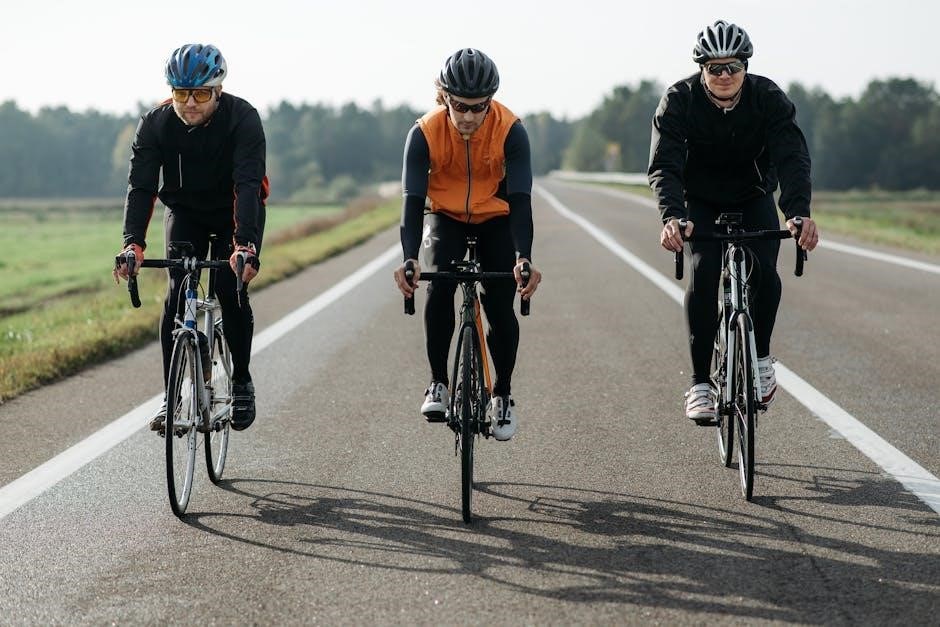
This approach provides a cost-effective alternative to fully guided tours, without sacrificing convenience․ You benefit from carefully curated routes, often featuring challenging terrain like strade bianche, and the opportunity to experience destinations authentically․
Moreover, self-guided tours cater to diverse preferences, offering options for varying daily mileage and bike types – from mountain bikes to professional road bikes – available every day from 07:00․ It’s a personalized adventure, designed around your needs․
Planning Your Self-Guided Cycling Adventure
Successful planning involves careful route selection, considering terrain and difficulty, alongside choosing appropriate start and end dates for optimal flexibility․
Route Selection & Difficulty Levels
Choosing the right route is paramount for a fulfilling self-guided cycling trip․ Options range dramatically, from relatively flat coastal paths ideal for beginners, to demanding mountain routes suited for experienced cyclists․ Consider your fitness level honestly; routes utilizing strade bianche (unpaved roads) present a significant challenge, mirroring those found in professional races, and require robust preparation․
Difficulty levels are often categorized, but it’s crucial to research elevation profiles and surface types independently․ Daily mileages of 45-60 miles can feel very different depending on the terrain․ Some providers specialize in more challenging bikepacking styles, while others cater to leisurely road cycling․ Carefully assess your preferences and capabilities to ensure a safe and enjoyable experience․ Don’t underestimate the impact of cumulative elevation gain!
Understanding Terrain: Gravel Roads & Strade Bianche
Gravel roads and strade bianche – Italian for “white roads” – represent a significant shift in cycling terrain, demanding specialized skills and equipment․ These unpaved surfaces, often composed of gravel, dirt, and even small stones, require greater bike control and physical exertion compared to smooth asphalt․
Routes incorporating strade bianche are known for their challenging climbs and descents, mirroring those used in prestigious cycling races․ Expect slower speeds and increased vibration․ Bikepacking-style bikes with wider tires and robust frames are highly recommended․ Proper tire pressure is crucial for grip and comfort․ Be prepared for potential punctures and carry appropriate repair tools․ These terrains add a unique adventurous element, but require realistic self-assessment of your abilities․
Daily Mileage Considerations (45-60 miles)
Daily mileage on self-guided cycling trips typically falls within the 45-60 mile range, but this is heavily influenced by terrain difficulty and rider fitness․ Routes featuring strade bianche or significant climbing will naturally require shorter daily distances․ It’s crucial to realistically assess your capabilities and plan accordingly․
Consider elevation gain, road surface quality, and prevailing wind conditions․ A 60-mile ride on flat asphalt is vastly different from 45 miles with substantial hills․ Allow for flexibility in your itinerary; don’t be afraid to adjust distances based on how you feel․ Prioritize enjoyment over rigidly adhering to a pre-determined schedule․ Remember to factor in time for sightseeing, meals, and rest stops․ Proper pacing and hydration are essential for sustained performance․
Customization & Flexibility in Tour Design
Customization is a cornerstone of successful self-guided cycling tours․ Riders have the freedom to choose their start and end dates, tailoring the trip to their schedules․ Beyond dates, the level of difficulty and terrain are often adjustable, catering to varying fitness levels and preferences․ Want challenging climbs on strade bianche? Or prefer leisurely routes? The choice is yours․
Flexibility extends to daily distances; adjust mileage based on how you feel․ Some tours allow for modifications to accommodation types, and the inclusion of optional activities․ Essentially, self-guided tours empower you to create a truly personalized adventure, riding at your own pace and exploring what interests you most․ It’s about crafting your ideal cycling experience․
Choosing Start and End Dates
Flexibility in selecting start and end dates is a significant advantage of self-guided cycling trips․ Unlike fixed-departure group tours, you’re not bound by a pre-determined schedule․ This allows you to align your cycling adventure with personal commitments, optimal weather conditions, or even local events along your chosen route․
Consider the seasonality of your destination․ Spring and fall often offer pleasant temperatures and fewer crowds․ Booking well in advance is recommended, especially for popular routes or during peak seasons, to secure preferred accommodation․ The ability to choose your dates empowers you to create a trip that seamlessly integrates into your life, maximizing enjoyment and minimizing disruption․ It’s about cycling on your terms․
Essential Logistics & Support
Essential logistics include pre-booked accommodation, convenient luggage transfer services, and readily available bike rental options – mountain, city, or professional․
Accommodation Bookings
Accommodation bookings are a cornerstone of a smooth self-guided cycling trip, removing a significant logistical burden from the cyclist․ These tours frequently include pre-arranged lodging, ranging from charming guesthouses and boutique hotels to comfortable, cyclist-friendly accommodations․
The level of accommodation can often be customized to suit your budget and preferences, offering options from basic, budget-conscious stays to more luxurious experiences․ Having accommodations pre-booked ensures a stress-free arrival each day, allowing you to focus entirely on enjoying the ride and exploring the surrounding areas․
This service is particularly valuable on longer tours, like the 29-day Belgrade to Leskovac route, where managing lodging independently would be incredibly time-consuming․ It’s a key component of packages like the Via Classica, providing peace of mind and maximizing your cycling enjoyment․
Luggage Transfer Services
Luggage transfer services are an invaluable asset for self-guided cycling adventures, allowing you to travel light and enjoy the freedom of the road without being weighed down by heavy packs․ This service ensures your luggage is transported securely from one pre-determined accommodation to the next, following your cycling route․
This is particularly beneficial on longer tours, eliminating the need for bikepacking gear if you prefer a more comfortable riding experience․ It’s a core feature of many self-guided tour packages, like the Via Classica, simplifying logistics and enhancing overall enjoyment․
Knowing your belongings are safely en route allows you to fully immerse yourself in the cycling experience, whether tackling challenging strade bianche or enjoying leisurely rides․ Reliable luggage transfer is a key element in creating a truly carefree and memorable cycling holiday․
Bike Rental Options: Mountain, City & Professional Bikes
Bike rental options are a cornerstone of accessible self-guided cycling, catering to diverse rider preferences and terrain challenges․ Whether you’re planning a rugged adventure or a relaxed exploration, a suitable bike is readily available․
Options typically include robust mountain bikes for tackling gravel roads and challenging off-road sections, comfortable city bikes for leisurely touring, and high-performance professional bikes for experienced cyclists seeking speed and efficiency․
These rentals are often available every day from 07:00, providing flexibility for tour commencement․ Choosing the right bike is crucial; for routes featuring strade bianche, a gravel or mountain bike is highly recommended․ Rental services ensure you have a well-maintained, appropriately sized bike for your self-guided journey․
Availability: Daily from 07:00
Daily availability from 07:00 is a key feature of many self-guided cycling tour operators, offering unparalleled flexibility for travelers․ This consistent access ensures that you can begin your adventure at a time that suits your schedule and preferences, maximizing your exploration time․
This consistent timeframe applies to essential services like bike rental, allowing you to secure your chosen model with ease․ It also extends to support services, ensuring assistance is readily available should you require it during your journey․
Whether you’re embarking on a multi-day tour across Serbia, exploring Portugal’s Southwest region, or planning a cross-USA cycling adventure, this daily access provides peace of mind and streamlines your planning process․
Popular Destinations for Self-Guided Cycling
Explore diverse landscapes on two wheels, from Serbia’s Belgrade to Leskovac (29 days) to Portugal’s scenic Southwest (6-day, 266km) and across the USA․
Cycling in Serbia: Belgrade to Leskovac (29 Days)
Embark on an epic 29-day self-guided cycling adventure traversing the heart of Serbia, from the vibrant capital of Belgrade to the culturally rich city of Leskovac․ This route, a free self-guided plan, offers a deep dive into the country’s diverse landscapes and warm hospitality․
Experience a journey from central to southern Serbia, encountering rolling hills, charming villages, and historical sites along the way․ This tour is ideal for those seeking a challenging yet rewarding experience, perfect for those who enjoy bikepacking or gravel-style cycling․
Customize your pace and enjoy the freedom of independent exploration, with options for bike rental available, including professional mountain or city bikes, every day from 07:00․ This extended tour provides ample opportunity to immerse yourself in Serbian culture and create lasting memories․
Exploring Portugal: Southwest Region (6-Day Tour, 266km)
Discover the breathtaking beauty of Portugal’s Southwest region on a captivating 6-day self-guided cycling tour, covering a distance of 266 kilometers․ This meticulously planned route takes you from the mountains to the western coast, showcasing amazing scenery and diverse terrains․
Experience the freedom of independent travel, choosing your own pace and enjoying the flexibility to explore hidden gems along the way․ This tour caters to cyclists seeking a moderate challenge, with well-maintained roads and stunning coastal views․
Benefit from pre-booked accommodation and convenient luggage transfer services, allowing you to focus solely on enjoying the ride․ Bike rental options, including professional mountain or city bikes, are available every day from 07:00, ensuring a comfortable and unforgettable experience․
Cycling Across the USA: Pace & Route Options
Embark on an epic cross-country cycling adventure across the USA, tailored to your individual pace and preferences․ Numerous route options are available, ranging from established transcontinental trails to custom-designed itineraries․ Choose a route that aligns with your fitness level and desired scenery, whether it’s coastal highways, mountain passes, or rolling plains․
Enjoy the ultimate freedom of self-guided travel, setting your own daily mileage and exploring charming towns along the way․ Accommodation can be pre-booked, or you can embrace spontaneity and find lodging as you go․ Luggage transfer services are available for a hassle-free experience․
Bike rental options, including professional models, are accessible, and support is available every day from 07:00․ Cycle the USA at your own rhythm, creating memories that will last a lifetime․
Gear & Preparation
Essential cycling equipment is crucial, differentiating between bikepacking and leisure road cycling gear․ Prioritize fitness and training, preparing for varied terrain and daily mileage․
Bikepacking vs․ Leisure Road Cycling Gear
Bikepacking demands robust gear suited for challenging, often unpaved, routes like strade bianche․ This necessitates durable bikes – mountain or gravel bikes are ideal – capable of handling varied terrain and heavier loads․ Essential items include waterproof luggage, repair tools, and appropriate clothing for all weather conditions․ Consider a comprehensive first-aid kit and navigation tools․
Leisure road cycling, conversely, prioritizes lightweight equipment for speed and comfort on paved surfaces․ A road bike with drop handlebars, aerodynamic clothing, and a minimal repair kit suffice․ Luggage options are typically panniers or a small saddlebag․ The focus shifts from self-sufficiency to enjoying the ride with less emphasis on extensive repairs or survival gear․ Choosing the right gear directly impacts your enjoyment and safety on a self-guided tour․
Ultimately, the choice depends on the tour’s difficulty and terrain․
Essential Cycling Equipment Checklist
Bike: A reliable mountain, gravel, or road bike, depending on the route․ Helmet: Non-negotiable for safety․ Repair Kit: Including spare tubes, tire levers, a pump, multi-tool, and chain tool․ Water Bottles/Hydration Pack: Staying hydrated is crucial, especially during 45-60 mile days․ Cycling Clothing: Padded shorts, moisture-wicking jerseys, and a waterproof jacket․
Navigation: GPS device or smartphone with mapping apps․ Lights: Front and rear lights for visibility․ First-Aid Kit: Comprehensive kit for minor injuries․ Sunscreen & Sunglasses: Protection from the elements․ Lock: For securing your bike during stops․ Cash/Cards: For purchases along the route․
Luggage: Panniers or bikepacking bags appropriate for your bike and trip length․ Don’t forget a rain cover!
Fitness Level & Training Recommendations
Self-guided cycling trips, particularly those involving strade bianche and challenging terrain, demand a good level of fitness․ Expect daily mileages of 45-60 miles with significant climbing․ Prior training is essential․ Begin with regular rides, gradually increasing distance and elevation gain․
Focus on endurance – long, steady rides are more beneficial than short, intense sprints․ Incorporate hill repeats to build strength for those challenging ascents․ Consider interval training to improve cardiovascular fitness․ Bikepacking routes require core strength, so include exercises targeting those muscles․
If unfamiliar with gravel riding, practice on similar surfaces․ A minimum of 8-12 weeks of consistent training is recommended before embarking on a demanding tour․
Safety & Navigation
Route navigation tools are crucial for self-guided cycling trips, alongside thorough emergency preparedness and awareness of local traffic laws for safe travels․
Route Navigation Tools & Resources
Successful self-guided cycling hinges on reliable navigation․ Utilizing GPS devices, smartphone apps (like Komoot or Ride with GPS), and pre-loaded routes are essential․ Detailed maps, both digital and physical, provide valuable backups, especially in areas with limited cell service․
Many tour operators provide GPX files compatible with various GPS units․ Familiarize yourself with your chosen tools before departure․ Consider downloading offline maps for areas with spotty connectivity․ Understanding how to interpret elevation profiles is also key, particularly when tackling challenging terrain like the strade bianche․
Don’t solely rely on technology; learn basic map-reading skills․ Carry a power bank to keep devices charged, and a waterproof case for protection․ Regularly check your route and be prepared to adjust if necessary․ Proactive planning ensures a smoother, safer, and more enjoyable cycling experience․
Emergency Preparedness & Contact Information
Prioritizing safety is paramount on self-guided cycling trips․ Carry a well-stocked first-aid kit, including supplies for common cycling injuries․ Know your local emergency numbers – and have them readily accessible, even offline․ Share your itinerary with someone reliable, providing daily check-in points․
Ensure you have travel insurance covering cycling activities and medical emergencies․ Carry identification and any necessary medical information․ Learn basic bike maintenance to handle minor repairs․ A fully charged mobile phone is crucial, but remember coverage can be limited in remote areas․
Familiarize yourself with local traffic laws and be aware of potential hazards․ Consider a personal locator beacon (PLB) for truly remote routes․ Knowing basic phrases in the local language can also be incredibly helpful in an emergency situation․
Understanding Local Traffic Laws
Navigating unfamiliar roads requires diligent attention to local traffic regulations․ Cycling laws vary significantly between countries and even regions within a country․ Research these laws before your trip, focusing on rules regarding helmet use, hand signals, and permitted road usage․
Be aware of right-of-way rules, especially at intersections and roundabouts․ Understand local signage – translation apps can be invaluable․ In some areas, cycling on highways or motorways may be prohibited․ Pay close attention to speed limits and be mindful of larger vehicles․
Respect pedestrian crossings and yield to pedestrians․ Always ride predictably and defensively, assuming drivers may not see you․ Familiarize yourself with any specific cycling infrastructure, such as bike lanes or shared paths․
Cost & Budgeting
Self-guided tours involve costs for accommodation, food, and bike rental; however, free plans are available, like the Belgrade-Leskovac route, offering savings․
Typical Costs Associated with Self-Guided Tours
Self-guided cycling trips present a varied cost structure, heavily influenced by destination, duration, and service inclusions․ Accommodation represents a significant portion, ranging from budget-friendly guesthouses to upscale hotels, potentially costing between $50 to $150+ per night․ Food expenses depend on dining choices, averaging $30-$60 daily․
Bike rental adds another layer, with options like city bikes around $20/day, mountain bikes $30-$50/day, and professional road bikes exceeding $70/day․ Luggage transfer services typically range from $50 to $100 per transfer, depending on distance and weight․
Consider potential costs for route navigation tools, emergency supplies, and unforeseen repairs․ While free self-guided plans minimize upfront costs, they necessitate independent logistical arrangements․ A well-planned 6-day tour in Portugal, for example, could range from $600 to $1500, excluding travel to/from the starting point․
Budgeting for Accommodation, Food & Bike Rental
Accommodation costs for self-guided cycling tours vary greatly․ Expect to budget $50-$150+ nightly, depending on comfort level and location․ Food expenses can range from $30-$60 per day, factoring in restaurant meals versus self-catering options․ Prioritize local markets for cost-effective provisions․
Bike rental is a key consideration; City bikes are the most affordable, around $20/day, while mountain or professional bikes can cost $30-$70+ daily․ Consider the terrain when selecting a bike․ Longer tours, like the 29-day Serbia route, necessitate a more robust budget for these recurring costs․
Allocate funds for snacks, water, and potential mechanical repairs․ Pre-booking accommodation can secure better rates․ Remember to factor in potential currency exchange fees and local taxes when planning your budget․
Finding Free Self-Guided Plans
Free self-guided cycling plans are available online, though they often require more independent research and logistical planning․ Resources like DBB (Discover Belgrade Leskovac) offer a 29-day route through Serbia as a free option, focusing on central to southern regions․ These plans typically lack the support of paid tours․
Online cycling communities and forums are excellent sources for route suggestions and GPX files․ Websites specializing in bikepacking often share user-submitted routes; Be prepared to handle accommodation bookings and luggage transfer independently․
Remember to thoroughly vet any free plan for safety and accuracy․ Check recent trail conditions and local regulations․ While cost-effective, free plans demand significant self-reliance and preparation․