
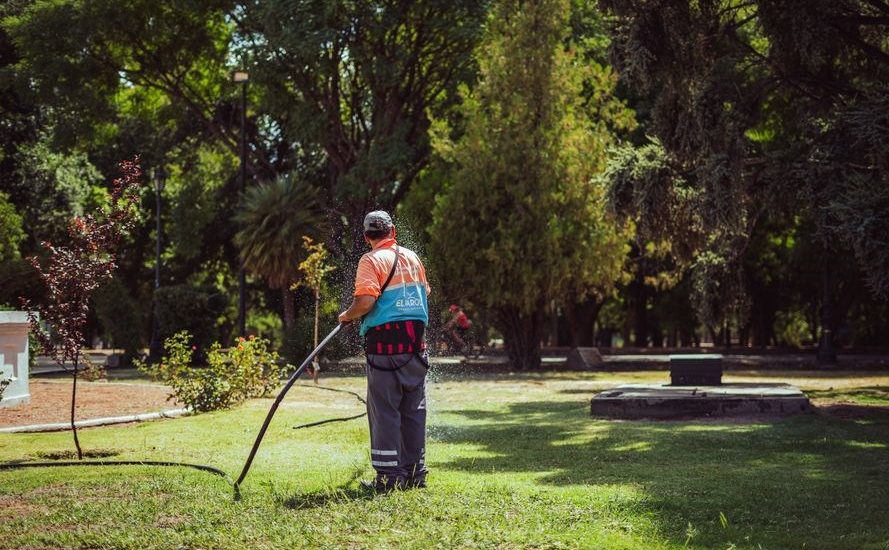
Landscape maintenance checklists keep lawns, trees, irrigation, and hardscapes in top shape. A PDF version offers a structured, printable guide that tracks daily, weekly, and seasonal tasks, ensuring compliance, safety, and year‑round beauty. Use it to track tasks, update logs, and keep zones compliant.!

Benefits of Using a PDF Checklist
Using a PDF landscape maintenance checklist offers a host of advantages that streamline operations, enhance accountability, and protect investment. First, the PDF format is universally accessible—any device with a PDF reader can open, print, or annotate the document, making it ideal for on‑site crews, managers, and inspectors alike. Second, the checklist’s structured layout ensures that every task—whether daily mowing, weekly pruning, or seasonal irrigation calibration—is captured in a consistent, repeatable sequence. This consistency reduces the risk of missed steps, prevents costly errors, and guarantees that all regulatory and design specifications are met.
Additionally, the PDF checklist serves as a legal document that can be signed by supervisors or property owners, proving compliance with maintenance standards. Annotating directly on the PDF—highlighting completed tasks or noting observations—creates a transparent record for audits or lease negotiations. Many PDF readers support form fields, allowing users to tick boxes, enter dates, or add comments without leaving the document. This integration reduces manual data entry errors and speeds up reporting. The PDF format is lightweight and compressible, ensuring that even large checklists with embedded images or charts can be shared via email or uploaded to cloud storage without excessive bandwidth usage. Users can also export the completed checklist to a spreadsheet or cloud service, enabling analysis and long term reporting today! now.
Key Components of a Comprehensive Checklist
A well‑structured landscape maintenance PDF checklist is built around several core elements that together create a reliable tool. First, a clear task hierarchy separates daily, weekly, monthly, and seasonal activities, allowing crews to focus on the most urgent items while keeping long‑term goals visible. Second, each task is paired with specific instructions—from mowing height and blade type to pruning angles and irrigation zone numbers—so that even new staff can execute the job correctly. Third, the checklist includes time stamps and signature fields for supervisors to confirm completion, turning the document into a verifiable audit trail that satisfies regulatory bodies. Fourth, a dedicated section for equipment maintenance (e.g., blade sharpening, battery checks, filter cleaning) prevents premature wear and extends tool life. Fifth, a notes area lets technicians record observations, such as pest sightings or soil moisture anomalies, which can trigger follow‑up actions. Finally, the PDF incorporates color‑coded categories and iconography to aid quick visual scanning, ensuring that high‑priority tasks are never overlooked. Together, these components transform a simple list into a comprehensive, compliant, and actionable maintenance framework that keeps lawns, trees, irrigation systems, and hardscapes healthy and attractive all year round.
Daily Lawn Care Tasks
Daily lawn care is the backbone of a healthy, green landscape. A PDF checklist begins each day with a quick safety briefing, confirming that all equipment is in good working order and that the crew is wearing proper PPE. Next, the mower is set to the recommended height—usually 2.5–3.5 inches for most grass types—before a systematic pass across the lawn. Edge trimming along walkways, driveways, and flower beds removes debris and sharpens borders. Watering is scheduled during the early morning to reduce evaporation, with the irrigation controller checked for leaks or mis‑programmed zones. A quick visual inspection follows: look for uneven patches, bare spots, or signs of pests and disease. If any issues are spotted, mark them on the PDF for follow‑up. Finally, the crew records the completion time and signs off, creating a verifiable audit trail that can be reviewed by supervisors and used for future planning. This routine, when followed consistently, prevents over‑watering, reduces weed pressure, and keeps the turf looking lush and professional.
Additionally, the crew verifies that the mowing pattern covers all areas without leaving any blind spots, ensuring uniform wear. They also check that the grass is not over‑cut, which can stress the lawn. After mowing, the crew removes clippings from high‑traffic zones to prevent slip hazards. The checklist logs any equipment issues, and the crew records the date and time of each task. This level of detail helps managers spot trends, such as a sudden rise in pest activity or a drainage issue, before they become costly problems.
Weekly Plant and Tree Maintenance
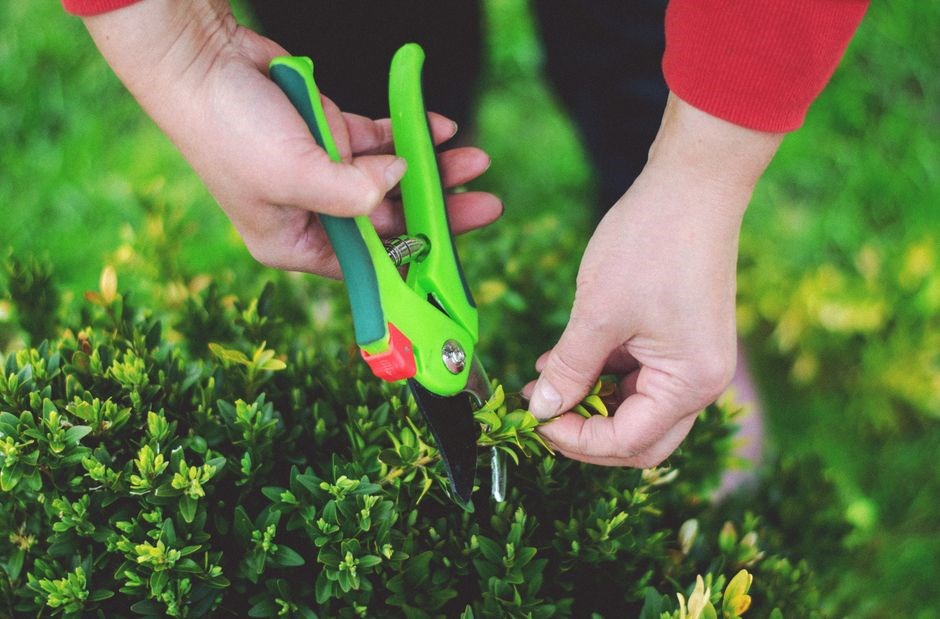
Weekly plant and tree maintenance is a critical component of a comprehensive landscape care plan. The PDF checklist guides crews through pruning, fertilizing, and pest inspections, ensuring that every shrub, ornamental tree, and perennial receives timely attention. First, the crew reviews the plant inventory, noting any species that require specific pruning schedules or nutrient applications. They then perform selective pruning, removing dead or damaged limbs, shaping growth, and encouraging healthy canopy development. Next, a targeted fertilization program is applied based on soil test results, with organic or synthetic blends tailored to the plant’s needs. Pest and disease scouting follows, where the crew checks leaves, bark, and roots for signs of infestation or stress, recording observations on the PDF for follow‑up. Mulch layers are refreshed to a 2–3 inch depth, helping retain moisture and suppress weeds. Finally, the crew documents all actions, including dates, chemicals used, and any observations, creating a clear audit trail that can be reviewed by supervisors or used for future planning. Consistent weekly attention prevents major problems, promotes vigorous growth, and keeps the landscape looking its best;By consistently following this weekly checklist, property managers can detect early signs of stress, allocate resources efficiently, and maintain a landscape that not only meets regulatory standards but also enhances curb appeal and guest satisfaction and your family daily.!!
Weekly plant and tree maintenance is a critical component of a comprehensive landscape care plan. The PDF checklist guides crews through pruning, fertilizing, and pest inspections, ensuring that every shrub, ornamental tree, and perennial receives timely attention. First, the crew reviews the plant inventory, noting any species that require specific pruning schedules or nutrient applications. They then perform selective pruning, removing dead or damaged limbs, shaping growth, and encouraging healthy canopy development. Next, a targeted fertilization program is applied based on soil test results, with organic or synthetic blends tailored to the plant’s needs. Pest and disease scouting follows, where the crew checks leaves, bark, and roots for signs of infestation or stress, recording observations on the PDF for follow‑up. Mulch layers are refreshed to a 2–3 inch depth, helping retain moisture and suppress weeds. Finally, the crew documents all actions, including dates, chemicals used, and any observations, creating a clear audit trail that can be reviewed by supervisors or used for future planning. Consistent weekly attention prevents major problems, promotes vigorous growth, and keeps the landscape looking its best. This monthly review not only safeguards water resources and ensures regulatory compliance but also provides a documented audit trail that can be referenced during inspections, insurance reviews, or property sales, thereby enhancing transparency and confidence among stakeholders, while the systematic approach helps identify emerging issues early, allowing for timely interventions that prevent repairs now. for care!!
Seasonal Spring Checklist
Spring is the prime time to revitalize a landscape. Begin by inspecting irrigation zones for winter damage, clearing debris, and testing pressure. Next, clean and calibrate controllers, ensuring each zone activates on schedule. Prune dormant trees and shrubs, removing dead limbs and shaping growth to promote healthy canopy. Apply a balanced fertilizer to lawns and beds, following soil test recommendations. Inspect mulch layers, replenish to 2–3 inches, and remove weeds. Check hardscape for cracks, reseal if needed, and clean walkways. Inspect drainage systems, ensuring proper flow and no blockages. Test pond or fountain filters, replace media, and clean skimmers. Finally, update the PDF checklist with dates, actions, and observations, creating a documented audit trail for future reference and compliance.
After completing the irrigation and pruning tasks, focus on soil health. Conduct a pH test to determine if amendments are needed, and apply a slow‑release nitrogen fertilizer to support green growth. Inspect mulch depth around trees, ensuring it stays at 2–3 inches to conserve moisture. Remove any dead mulch or debris that could harbor pests. Add a thin layer of compost to beds to improve drainage and nutrient content.
Finally, schedule an inspection of the irrigation system to verify all valves and emitters are functioning correctly. Record adjustments in the PDF checklist, noting the date and technician name. Review the landscape’s health and plan annual treatments such as mulching or fertilizing.

Seasonal Summer Checklist
Summer demands vigilant irrigation, pest control, and shade management. Begin by inspecting sprinkler heads for leaks, adjusting spray angles, and ensuring coverage during peak heat. Test soil moisture sensors and recalibrate schedules to avoid over‑watering. Apply a light, balanced fertilizer to lawns, focusing on potassium to enhance drought tolerance. Inspect tree canopies for over‑growth; prune to improve airflow and reduce fire risk. Mulch beds to 3–4 inches, replenishing as needed to retain moisture. Check pond or fountain filters, replace media, and clean skimmers to keep water clear. Inspect hardscapes for cracks, reseal if necessary, and clean walkways to prevent slips. Monitor for invasive weeds, removing them promptly. Schedule a mid‑summer audit of the irrigation system, recording all adjustments in the PDF checklist. Keep a log of weather patterns, noting any prolonged dry spells, and adjust watering accordingly. Finally, review the landscape’s overall health, noting any pest infestations, and plan for fall treatments.
Use shade cloths over heat‑sensitive plants during the hottest part of the day to reduce transpiration. Inspect and clean leaf blowers and mowers, ensuring blades are sharp and fuel levels are adequate. Conduct a weekly pest scouting routine, checking for signs of caterpillars, aphids, or beetles, and apply organic controls as needed. Update the PDF checklist with dates, observations, and any corrective actions taken. Engage with local extension services for updated pest alerts and best practices. Record any new plantings, noting species, planting depth, and mulch type. Review the landscape’s lighting, adjusting timers to maintain safety and aesthetic appeal. Ensure all safety signage is visible and up to date. Document any incidents or near‑misses to improve future risk management. This comprehensive approach keeps the outdoor space vibrant, safe, and compliant throughout the hot season.
Finally, consider installing a rain barrel or greywater system to capture runoff for future irrigation, reducing reliance on municipal water.

Seasonal Fall Checklist
Fall is a critical transition period for landscape health. Begin by clearing fallen leaves from lawns, paths, and drainage ditches to prevent mold and maintain traction. Use a leaf blower or rake, then compost or dispose responsibly. Inspect irrigation systems for leaks, winterize valves, and protect hoses from freezing by draining and storing indoors. Apply a balanced, slow‑release fertilizer to lawns, focusing on nitrogen to promote root growth before dormancy. Prune deciduous trees and shrubs after fruit drop, removing dead or diseased limbs to reduce pest harboring; Trim conifers to maintain shape, avoiding heavy cuts that can stress the plant. Mulch beds to 2–3 inches, using organic material to insulate roots and suppress weeds. Check hardscapes for cracks; seal or repair to prevent water infiltration. Inspect outdoor lighting, replace bulbs, and adjust timers to accommodate shorter daylight. Conduct a pest survey, targeting early signs of aphids, scale, or spider mites, and apply appropriate controls. Record all actions in the PDF checklist, noting dates, materials used, and any observations. Schedule a mid‑fall audit of the irrigation system, verifying pressure and coverage. After pruning, clean up debris and mulch to retain moisture. Check for fungal spores on leaves, removing infected material. Inspect mulch depth around trees, ensuring it stays at least 3 inches from the trunk to prevent rot. Test soil pH, adjusting if necessary with lime or sulfur. Use a leaf vacuum to gather fine debris for composting. Schedule a professional irrigation inspection if the system is complex. Update the PDF checklist with photo evidence for audit purposes. Consider installing a rain barrel to capture runoff for future use. Educate staff or homeowners on proper leaf disposal to reduce landfill impact. Review safety signage around maintenance equipment. Ensure all tools are in good condition, sharpening blades and checking batteries. Document any incidents, such as slips or equipment malfunctions, to improve safety protocols. Remember to check the condition of outdoor furniture, tightening screws and applying protective coatings to extend lifespan. Inspect garden beds for early signs of winter damage, and apply mulch to protect roots. Finally, review the property’s drainage plan, ensuring no standing water accumulates during heavy rains, which could lead to erosion or root rot. Set a reminder for the next season’s spring checklist to maintain continuity.

Seasonal Winter Checklist
Winter maintenance focuses on protecting plants, irrigation, and hardscapes from cold damage. Begin by clearing snow and ice from walkways, patios, and drainage openings to prevent slip hazards and water infiltration. Inspect irrigation lines for leaks; winterize valves by draining and covering exposed sections. Store hoses indoors or use insulated covers. Apply a fertilizer to lawns before the first frost to strengthen roots. Prune dormant trees, removing dead or diseased limbs to reduce pest harboring. Trim conifers to maintain shape, avoiding heavy cuts that can stress the plant. Mulch beds to 2–3 inches with material to insulate roots and suppress weeds. Check hardscapes for cracks; seal or repair to prevent water damage. Inspect outdoor lighting, replace bulbs, and adjust timers for shorter daylight. Conduct a pest survey, targeting early signs of aphids, scale, or spider mites, and apply appropriate controls. Record all actions in the PDF checklist, noting dates, materials used, and observations. Schedule an audit of the irrigation system to verify pressure and coverage. Clean up debris and mulch to retain moisture. Inspect mulch depth around trees, ensuring it stays at least 3 inches from the trunk to prevent rot. Test soil pH, adjusting with lime or sulfur if necessary. Update the PDF checklist with photo evidence for audit purposes. Inspect drainage ditches, ensuring flow to avoid erosion. Apply a coating to surfaces to prevent cracking from cycles. Verify that all safety signage remains and legible, replacing signs as needed. Maintain organized records. Set a reminder for the next season’s spring checklist to maintain continuity for all staff.
Hardscape and Pathway Maintenance
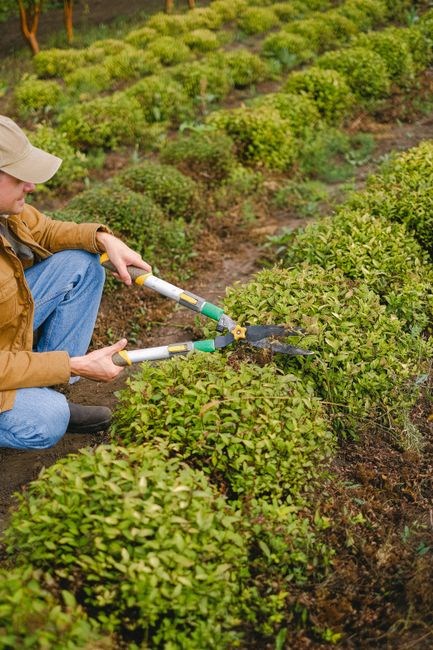
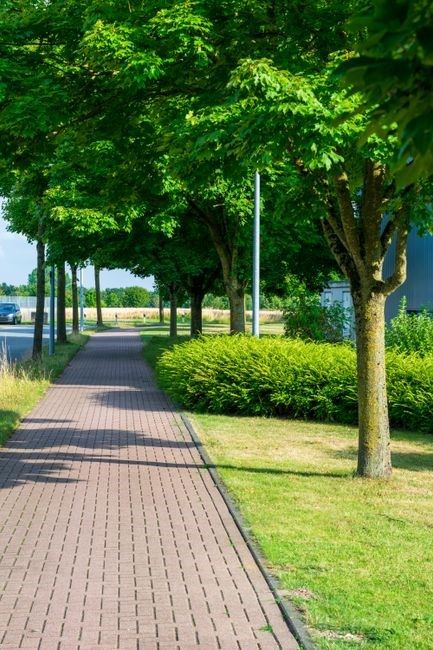
Hardscape elements—pavers, retaining walls, decks, and pathways—require routine care to preserve structural integrity and aesthetic appeal. Begin by inspecting joints for cracks or shifting. Refill or replace damaged pavers, ensuring proper drainage. Clean surfaces with a pressure washer or mild detergent to remove algae, moss, and grime, then seal with a breathable sealer to prevent moisture penetration. Check retaining walls for signs of erosion or bulging; backfill with compacted gravel and regrade as needed. Inspect deck boards for rot, loose nails, or splintering; replace compromised boards and apply a weather‑resistant finish. For walkways, sweep debris, trim overhanging vegetation, and apply a non‑slip coating to reduce fall risk. Maintain drainage by clearing gutters, downspouts, and French drains, ensuring water flows away from foundations. Inspect lighting fixtures along paths, replace burnt bulbs, and test timers. Apply weed barriers under pavers to inhibit root intrusion. Check for loose stones or gravel that may pose tripping hazards; secure with geotextile fabric. Perform a seasonal audit using the PDF checklist, recording dates, materials, and any corrective actions. Keep a log of maintenance activities to demonstrate compliance with safety regulations and to plan future upgrades. Use the PDF to schedule routine inspections, ensuring that hardscape features remain safe, functional, and visually appealing throughout the year. All tasks should be logged in the PDF for audit readiness. Keep stay compliant.
Safety and Compliance Considerations
Ensuring that every maintenance task meets safety standards protects workers, visitors, and the property. Begin by reviewing local regulations—water‑use ordinances, hazardous material handling, and accessibility codes. Equip staff with personal protective equipment: gloves, eye protection, high‑visibility vests, and hearing protection for power tools. Maintain a first‑aid kit and fire extinguisher in a clearly marked area. Prior to operating machinery, conduct a pre‑operation inspection: check for loose guards, damaged cords, and proper grounding. Use the PDF checklist to log each inspection, noting date, operator, and any corrective actions. Train personnel on safe ladder use, proper lifting techniques, and chemical handling procedures. For irrigation systems, verify that pressure regulators are functioning and that backflow preventers are tested annually to avoid contamination. When working near electrical lines, adhere to the National Electrical Code’s clearance requirements and use insulated tools. Keep pathways clear of debris to reduce slip hazards; apply non‑slip coatings where necessary. Document all maintenance activities in the PDF, including dates, materials used, and any incidents. This record demonstrates compliance during audits and helps identify recurring issues. Incorporate an emergency response plan: establish evacuation routes, designate a point of contact, and conduct drills. Finally, schedule periodic reviews of the checklist to incorporate new regulations or lessons learned from incidents. By integrating safety checks into the PDF workflow, you create a culture of accountability and protect everyone who interacts with the landscape. Maintain a log with the PDF, access. Update the log to verify completion. This practice meets compliance mandates and facilitates daily maintenance planning, reducing downtime and extending lifespan of landscape assets.
Digital Tools for Managing PDFs
Digital tools streamline PDF management, enabling real‑time updates, cloud syncing, and mobile access. Apps like Adobe Acrobat, DocuSign, and specialized maintenance platforms let teams annotate, track completion, and share instantly, ensuring everyone stays on schedule and compliant.Backup daily now. All
Interactive PDF Features
Interactive PDFs enable teams to capture real‑time data—such as moisture levels or pest sightings—directly within the document, ensuring decisions are based on current information. The built‑in audit trail provides a transparent record for inspections, eliminating the risk of lost reports. Field workers can complete checklists on the go, sync updates instantly, and receive push notifications for overdue tasks. This connectivity speeds up operations and enhances landscape quality, leading to healthier plants, efficient water use, and a more visually appealing environment for visitors. Updates sync automatically, keeping stakeholders informed.
- Checklists can be customized per site, allowing unique tasks for gardens, lawns, or commercial spaces.
- Embedded timers trigger reminders for irrigation shut‑off or fertilization schedules.
- Form fields support photo uploads, enabling visual proof of completed work.
- Color coding differentiates urgent tasks from routine maintenance at a glance.
- Data export to CSV or Excel facilitates trend analysis and budgeting.
- Version control tracks changes, ensuring the latest checklist is always used.
- Mobile compatibility allows workers to complete tasks offline and sync later.
- Audit trails provide compliance evidence for regulatory inspections.
- Integration with project management tools streamlines communication across teams.
These tools empower teams to maintain tidy landscapeefficiently.
Downloading and Sharing the Checklist
Downloading the PDF is simple: click the “Download PDF” button on the official site, choose “Save,” file will be stored locally.! The document can then be shared via email, uploaded to a shared drive, or embedded in a project‑management platform, allowing every team member to view or edit it online. Mobile users can save the file to a cloud service—Google Drive, OneDrive, or iCloud—and access it from any device, ensuring that maintenance data stays current no matter where the crew is on the job site. The PDF can also be printed for on‑site reference, or the interactive fields can be filled out and saved back to the cloud for later review. When sharing, add a brief note in the email body summarizing key dates or reminders, and attach the checklist to relevant calendar events so that it appears as a reminder each week. If your organization uses a shared calendar, attach the PDF to the relevant event so that the checklist appears as a reminder each week. For audit purposes, keep a copy of the original PDF version number and the date it was downloaded; this helps track changes over time. Finally, encourage feedback: after using the checklist, ask field staff to suggest improvements or highlight missing items, and update the PDF accordingly. By keeping the checklist in a central, shareable format, all stakeholders remain aligned on tasks, deadlines, and compliance, reducing errors and improving overall landscape health. Regular updates to the PDF ensure changes in regulations are reflected, keeping maintenance program compliant and efficient.!!