Precooked Prime Rib Cooking Instructions: A Comprehensive Guide
Navigating the world of precooked prime rib requires understanding optimal reheating techniques to recapture restaurant-quality flavor and tenderness‚ as discussed on Reddit’s r/AskCulinary.
Understanding Precooked Prime Rib
Precooked prime rib offers a convenient solution for those desiring a celebratory roast without the extensive initial cooking time. However‚ appreciating its nuances is key to a successful final product. Unlike fully raw cuts‚ these have already undergone a significant portion of the cooking process‚ typically involving roasting to an internal temperature that halts just short of complete doneness.
This partial cooking stabilizes the meat‚ extending its shelf life and simplifying meal preparation. Understanding this initial stage is crucial; you’re not cooking the prime rib from scratch‚ but rather gently reheating it to reach your desired level of doneness.
The quality of precooked prime rib can vary significantly between suppliers. Factors like the original cut’s marbling‚ the initial cooking method‚ and the speed of chilling post-cook all influence the final result. Monitoring internal temperature with a reliable thermometer‚ like a ChefsTemp‚ is paramount‚ as highlighted in discussions on platforms like Reddit‚ to ensure a perfectly heated and flavorful roast.
What is Precooked Prime Rib?
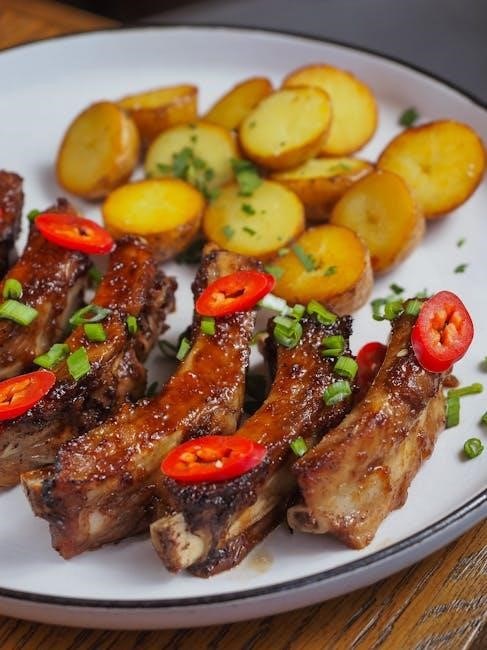
Precooked prime rib represents a time-saving alternative to traditional roasting‚ offering a partially cooked cut of beef ready for reheating. It’s typically a bone-in (or sometimes boneless) rib roast that has been roasted to an internal temperature below full doneness – often around 120-130°F. This initial cooking process stabilizes the meat and allows for convenient finishing at home.
Essentially‚ the majority of the cooking labor is completed by the supplier. The precooked roast is then rapidly chilled to maintain quality and safety. When you purchase it‚ you’re acquiring a product that requires gentle reheating‚ not a complete cook from a raw state.
The goal isn’t to “cook” it through‚ but to bring it to your preferred final temperature. As emphasized by culinary communities‚ like those on Reddit‚ precise temperature monitoring with a quality meat thermometer is essential to avoid overcooking and ensure a tender‚ juicy result. It’s a fantastic option for those seeking a prime rib experience with reduced effort.
Benefits of Buying Precooked
Opting for precooked prime rib delivers significant advantages‚ primarily centered around convenience and reduced cooking stress. The most prominent benefit is the drastically shortened cooking time; instead of hours in the oven‚ reheating typically takes a fraction of that duration. This makes it ideal for holidays or gatherings where oven space and time are limited.
Furthermore‚ precooked options minimize the risk of undercooking‚ a common concern with large roasts. The initial cooking stage provides a safety net‚ ensuring a base level of doneness. As discussed in online culinary forums‚ this is particularly helpful for less experienced cooks.
Precooked prime rib also offers portion control flexibility. You can reheat only the amount needed‚ freezing the remainder for later use. This reduces food waste and allows for enjoying prime rib without committing to a massive roast. Ultimately‚ it’s a practical solution for a luxurious meal with less hassle.
Potential Drawbacks
While convenient‚ precooked prime rib isn’t without its potential downsides. The primary concern revolves around achieving the same level of crust and overall flavor complexity as a fully roasted prime rib. The initial cooking process can sometimes result in a less pronounced sear‚ impacting the textural contrast.
Online discussions frequently highlight the risk of over-reheating‚ leading to dryness. Because the meat is already cooked‚ it’s easier to push it past the desired doneness. Careful temperature monitoring is crucial‚ as emphasized by culinary experts on platforms like Reddit.
Additionally‚ precooked options may contain added sodium or preservatives to maintain quality during processing. Consumers should carefully review ingredient lists if dietary restrictions are a concern. Finally‚ the cost per pound can sometimes be higher compared to purchasing a raw prime rib‚ offsetting some of the convenience benefits.
Preparing for Reheating
Proper preparation is key to successful reheating; ensure complete thawing‚ gather essential equipment like a reliable meat thermometer‚ and select an appropriate roasting pan.
Thawing Precooked Prime Rib
Thawing precooked prime rib safely and thoroughly is paramount for even reheating and optimal flavor. Never thaw at room temperature‚ as this encourages bacterial growth. The refrigerator is the safest method‚ requiring significant time – plan ahead!
A large prime rib can take 24 to 72 hours to thaw completely in the refrigerator‚ depending on its size. For faster thawing‚ utilize the cold water method; Submerge the sealed prime rib in cold water‚ changing the water every 30 minutes to maintain a consistently cold temperature.
This method requires constant attention but significantly reduces thawing time. Always ensure the prime rib remains fully submerged. Regardless of the method chosen‚ the goal is to bring the prime rib to a temperature just above freezing before reheating. This ensures even cooking and prevents a dry‚ uneven result.
Safe Thawing Methods
Prioritizing food safety during thawing is crucial when handling precooked prime rib. The USDA recommends three safe thawing methods: refrigerator‚ cold water‚ and microwave – though microwave thawing is generally discouraged for large cuts like prime rib due to potential uneven thawing and partial cooking.
Refrigerator thawing is the most recommended‚ offering the safest and most consistent results. Cold water thawing is faster but demands frequent water changes (every 30 minutes) to maintain a safe temperature below 40°F. Never leave prime rib at room temperature for more than two hours.
Regardless of the method‚ the prime rib must be kept in a leak-proof package to prevent cross-contamination. Once thawed‚ the prime rib should be cooked immediately. Do not refreeze a prime rib that has been thawed using the cold water or microwave methods. Proper thawing safeguards against bacterial proliferation and ensures a delicious‚ safe meal.
Checking for Complete Thawing
Ensuring your precooked prime rib is fully thawed before reheating is paramount for even cooking and optimal texture; A partially frozen roast will result in uneven heating‚ leading to a dry exterior and a potentially cold center.
The most reliable method is a simple physical check. The prime rib should be pliable throughout‚ with no icy or hard spots remaining. Gently press on the thickest parts of the roast; it should yield easily to pressure. If any resistance is felt‚ continue thawing.
Avoid relying solely on time estimates‚ as thawing speed varies based on size‚ refrigerator temperature‚ and method used. A meat thermometer can also be helpful – the internal temperature should be consistently at or near 40°F (4°C) throughout the roast. Complete thawing is non-negotiable for a tender and flavorful final product.
Essential Equipment
Reheating precooked prime rib to perfection demands specific tools for accuracy and efficiency. Foremost is a reliable meat thermometer – as highlighted on r/AskCulinary – crucial for monitoring internal temperature and achieving your desired level of doneness. Chef’sTemp is a recommended brand for precision.
A sturdy roasting pan with a rack is also essential. The rack elevates the roast‚ allowing for even heat circulation and preventing the bottom from becoming soggy. Choose a pan large enough to accommodate the prime rib without overcrowding.
Heavy-duty aluminum foil is useful for tenting the roast during reheating‚ helping to retain moisture and prevent excessive browning. Finally‚ sharp carving knives and a cutting board are needed for elegant presentation and serving. Having these tools prepared streamlines the process.
Meat Thermometer Importance
Accurate temperature monitoring is paramount when reheating precooked prime rib‚ and a meat thermometer is non-negotiable. Relying on time alone can lead to overcooking or‚ conversely‚ an underheated roast‚ compromising both texture and safety.
As emphasized by discussions on r/AskCulinary‚ a reliable thermometer‚ like those from Chef’sTemp‚ ensures you reach the precise internal temperature for your preferred doneness. This is especially critical with precooked meat‚ as initial cooking times vary.
Insert the thermometer into the thickest part of the roast‚ avoiding bone. Regularly check the temperature throughout the reheating process. Target temperatures are crucial: 130-135°F for medium-rare‚ and 135-145°F for medium. A thermometer eliminates guesswork‚ guaranteeing a succulent and flavorful result every time.
Roasting Pan Selection
Choosing the right roasting pan significantly impacts the reheating process of your precooked prime rib. A heavy-duty pan‚ preferably made of stainless steel or cast iron‚ provides even heat distribution‚ preventing hot spots and ensuring consistent reheating throughout the roast.
Avoid using lightweight aluminum pans‚ as they may heat unevenly. The pan should be large enough to accommodate the prime rib without overcrowding‚ allowing for proper air circulation.
A pan with raised sides is beneficial to contain any juices released during reheating‚ preventing them from burning and creating unwanted smoke. Consider using a rack within the pan to elevate the roast‚ further promoting even heating and preventing the bottom from becoming soggy.
Reheating Methods: Oven
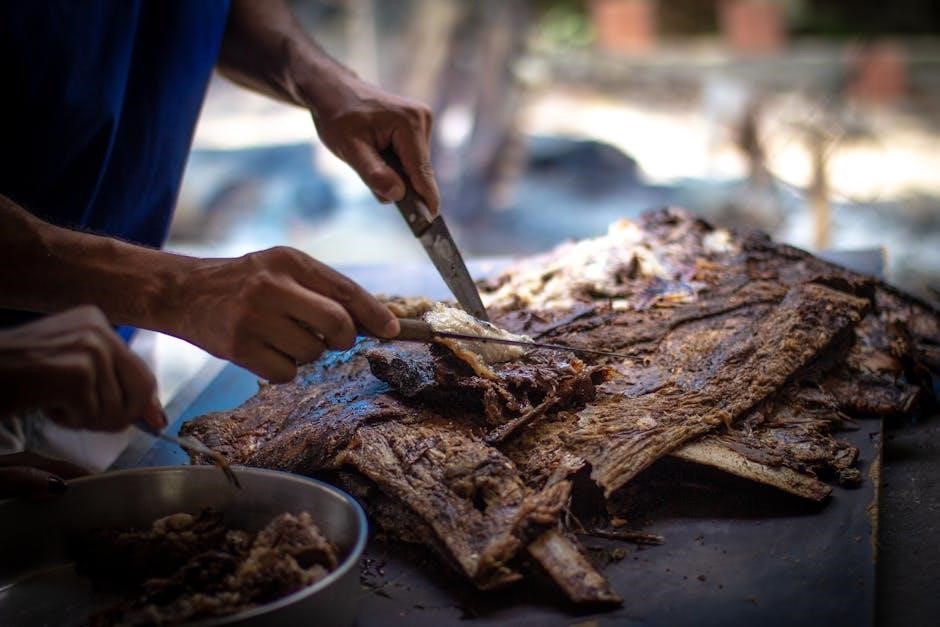
The oven remains the most reliable method for reheating precooked prime rib‚ offering consistent temperatures and allowing for precise control over the final result.
Oven Reheating: The Standard Approach
Oven reheating provides a consistent and controllable environment for bringing your precooked prime rib back to a delectable temperature. Begin by preheating your oven to a relatively low temperature – around 250°F (121°C) is ideal. This gentle heat prevents the exterior from drying out before the interior is fully warmed.
Place the prime rib in a roasting pan‚ adding approximately ½ cup of beef broth or water to the bottom of the pan. This creates steam‚ helping to maintain moisture during the reheating process. Cover the pan tightly with aluminum foil to further trap moisture and ensure even heating.
The reheating time will vary depending on the weight of the prime rib. Monitor the internal temperature using a reliable meat thermometer‚ inserted into the thickest part of the roast‚ avoiding bone. Patience is key; slow and steady reheating yields the best results‚ preserving the tenderness and flavor of the prime rib.
Optimal Oven Temperature
Maintaining the correct oven temperature is paramount when reheating precooked prime rib‚ directly impacting both moisture retention and overall tenderness. A low and slow approach‚ generally between 250°F (121°C) and 325°F (163°C)‚ is highly recommended. Lower temperatures – closer to 250°F – are preferable for larger cuts‚ minimizing the risk of a dry exterior before the center reaches the desired warmth.
Higher temperatures‚ while faster‚ can lead to uneven heating and a loss of valuable juices. Avoid exceeding 325°F unless you are specifically aiming for a quicker reheat and are prepared to closely monitor the internal temperature. Consistent temperature control is crucial; fluctuations can compromise the final result.
Remember‚ the goal isn’t to cook the prime rib again‚ but to gently bring it back to serving temperature. Utilizing a reliable oven thermometer alongside your oven’s settings ensures accuracy and predictable results.
Reheating Time Guidelines (by weight)
Precise reheating times for precooked prime rib are heavily dependent on its weight and the chosen oven temperature. These are estimates‚ and consistent internal temperature monitoring is always the priority. For a 3-5 pound (1.3-2.3 kg) roast reheated at 250°F (121°C)‚ allow approximately 2.5 to 3.5 hours.
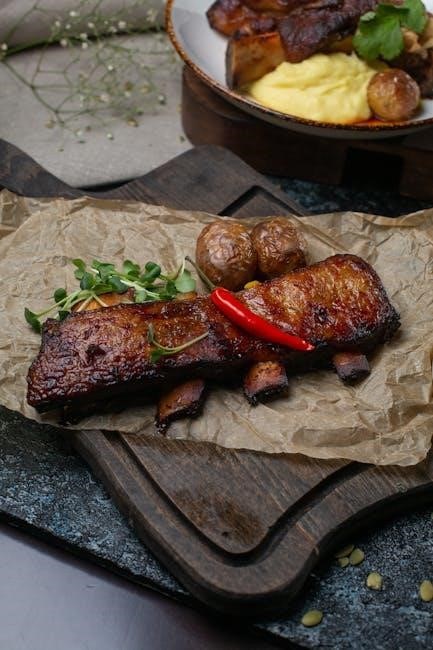
A 5-7 pound (2.3-3.2 kg) roast will require 3.5 to 4.5 hours at the same temperature. Larger roasts‚ 7-10 pounds (3.2-4.5 kg)‚ may take 4.5 to 6 hours. If reheating at 325°F (163°C)‚ reduce these times by roughly 30-60 minutes‚ but be vigilant against drying.
These guidelines assume the prime rib is initially fully thawed. Always start checking the internal temperature well before the estimated completion time to avoid overshooting your desired doneness. Remember‚ these are starting points – adjust based on your oven and the specific cut.
Internal Temperature Targets
Achieving the perfect internal temperature is paramount when reheating precooked prime rib‚ directly impacting tenderness and juiciness. Relying on a reliable meat thermometer‚ like those recommended on platforms such as Reddit’s r/AskCulinary‚ is crucial for accuracy.
For medium-rare‚ aim for an internal temperature of 130-135°F (54-57°C). This yields a warm red center. Medium doneness requires reaching 135-145°F (57-63°C)‚ resulting in a pink center. Avoid exceeding 145°F (63°C) to prevent dryness.
Remember that “carryover cooking” will continue to raise the temperature by a few degrees after removal from the oven. Therefore‚ pull the roast when it’s 5-10°F below your target. Consistent monitoring and precise temperature control are key to a successful reheat.
Medium-Rare Temperature (130-135°F)
Targeting 130-135°F (54-57°C) delivers the classic medium-rare experience for precooked prime rib – a warm‚ red center that’s incredibly tender and flavorful. This is often considered the sweet spot by culinary enthusiasts‚ as highlighted in discussions on platforms like Reddit’s r/AskCulinary.
When reheating‚ monitor the internal temperature closely with a reliable meat thermometer. Remember carryover cooking will increase the temperature after removing from the oven‚ so pull the roast when it reaches approximately 125°F (52°C).
This allows for a final temperature within the desired range. Achieving this temperature requires careful attention to reheating time and oven temperature‚ ensuring a juicy and satisfying result. Consistent monitoring is vital for success.
Medium Temperature (135-145°F)
For those preferring a slightly more cooked result‚ aiming for an internal temperature of 135-145°F (57-63°C) yields a medium precooked prime rib. This provides a pink center with less redness than medium-rare‚ appealing to a broader range of palates.
Similar to medium-rare‚ precise temperature monitoring with a meat thermometer is crucial. Remove the roast from the oven when it reaches around 130°F (54°C) to account for carryover cooking.
This ensures the final temperature falls within the desired medium range. While still juicy‚ a medium temperature will have a firmer texture than medium-rare. Consistent monitoring‚ as discussed on culinary forums‚ is key to avoiding overcooking and maintaining tenderness.
Resting Period After Reheating
A crucial‚ often overlooked step in achieving prime rib perfection is the resting period following reheating. Allowing the precooked roast to rest for at least 15-20 minutes‚ loosely tented with foil‚ is paramount.
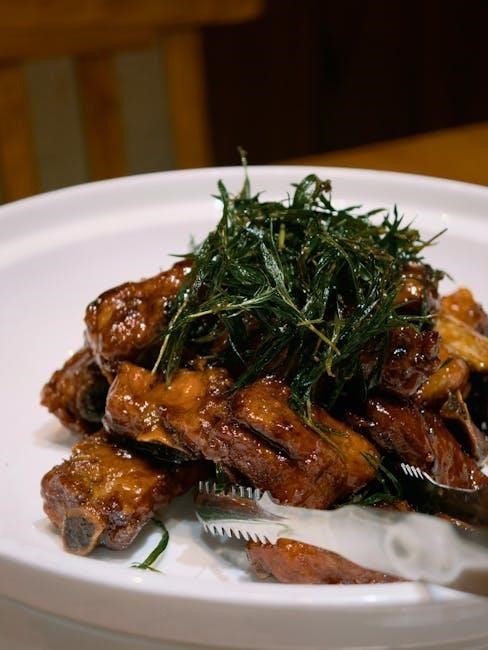
This allows the juices‚ redistributed during reheating‚ to redistribute throughout the meat‚ resulting in a significantly more tender and flavorful final product. Cutting into the roast immediately will cause those precious juices to escape‚ leading to a drier outcome.
The resting period enables muscle fibers to relax‚ enhancing tenderness. Consider it an extension of the cooking process‚ vital for maximizing enjoyment. Patience during this phase directly translates to a superior dining experience‚ as emphasized by culinary experts.
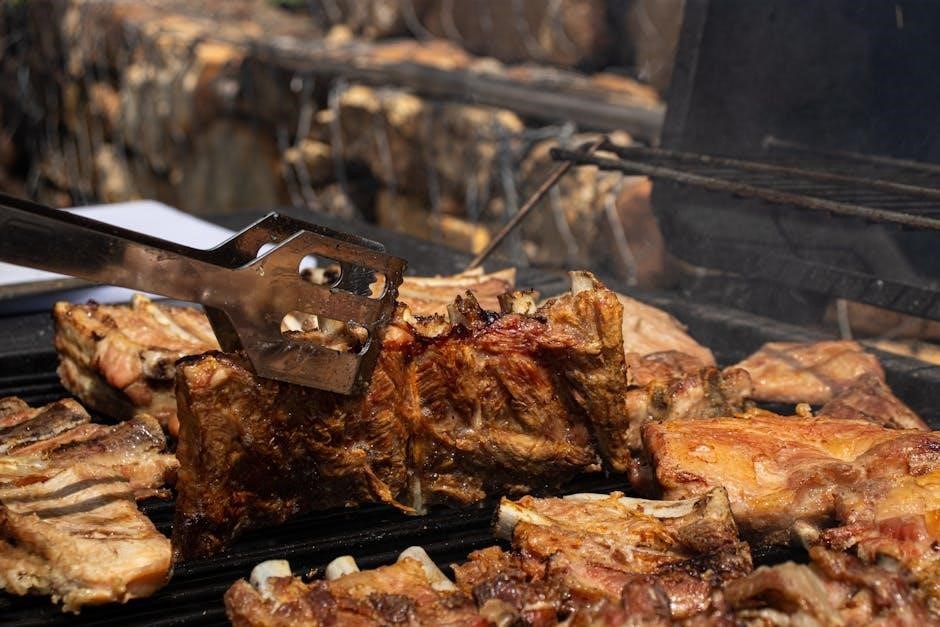
Reheating Methods: Alternative Techniques
Beyond the oven‚ sous vide and slow cookers offer unique reheating approaches‚ though Instant Pot reheating isn’t generally advised for prime rib quality.
Sous Vide Reheating
Sous vide presents a remarkably precise method for reheating precooked prime rib‚ ensuring even temperature distribution and exceptional tenderness. Begin by sealing the prime rib in a vacuum-sealed bag‚ potentially adding a knob of butter and fresh herbs like rosemary or thyme for enhanced flavor.
Submerge the sealed prime rib in a water bath maintained at your desired final internal temperature – 130-135°F for medium-rare‚ or 135-145°F for medium. Reheating time will vary based on the thickness of the cut‚ generally ranging from 30 to 60 minutes.
Utilizing a reliable meat thermometer‚ like a ChefsTemp as recommended on r/AskCulinary‚ is crucial to confirm the prime rib has reached the target temperature throughout. Once heated‚ remove from the bag‚ pat dry‚ and consider a quick sear in a hot pan or under a broiler to develop a flavorful crust. This method minimizes the risk of overcooking and delivers a consistently juicy result.
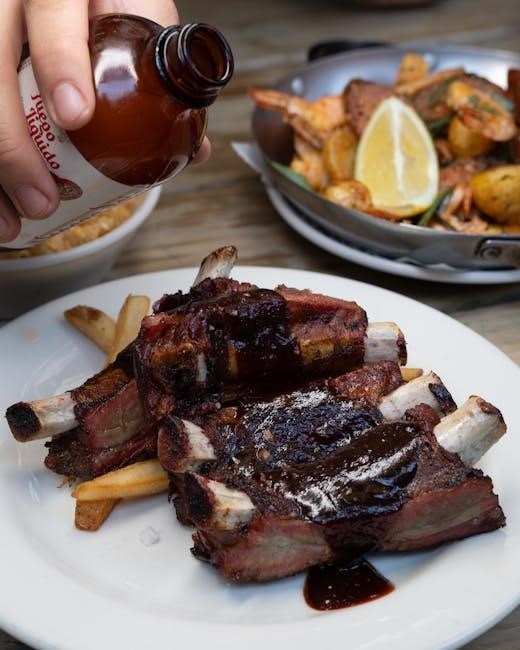
Slow Cooker Reheating Considerations
While possible‚ reheating precooked prime rib in a slow cooker requires careful attention to prevent dryness and maintain tenderness. This method is best suited for those prioritizing convenience over achieving a perfectly crisp exterior. Begin by placing the prime rib in the slow cooker and adding approximately one cup of beef broth or au jus to create a moist environment.
Cook on low for 2-4 hours‚ depending on the size of the roast. Regularly check the internal temperature with a meat thermometer – crucial for accuracy‚ as highlighted on r/AskCulinary – aiming for 130-135°F for medium-rare. Be aware that slow cookers can vary in temperature‚ so monitoring is essential.
The resulting texture will be exceptionally tender‚ but the exterior will lack the desirable sear. A quick finish under the broiler after slow cooking can help address this‚ adding color and some textural contrast.
Instant Pot Reheating (Not Recommended)
Reheating precooked prime rib in an Instant Pot is generally not recommended due to the challenges of achieving even heating and preventing overcooking. The high-pressure environment can quickly raise the internal temperature‚ making it difficult to maintain the desired level of doneness‚ particularly for a cut like prime rib where precise temperature control is key.
While technically feasible with a minimal amount of liquid‚ the risk of ending up with a tough‚ dry roast is significantly higher compared to oven or sous vide methods. The rapid heating doesn’t allow for gentle warming‚ a factor crucial for preserving the tenderness of precooked meat‚ as discussed in culinary forums.
If attempting this method‚ extremely short cooking times and constant temperature monitoring are vital‚ but even then‚ consistent results are unlikely. Prioritize alternative reheating techniques for a superior outcome.
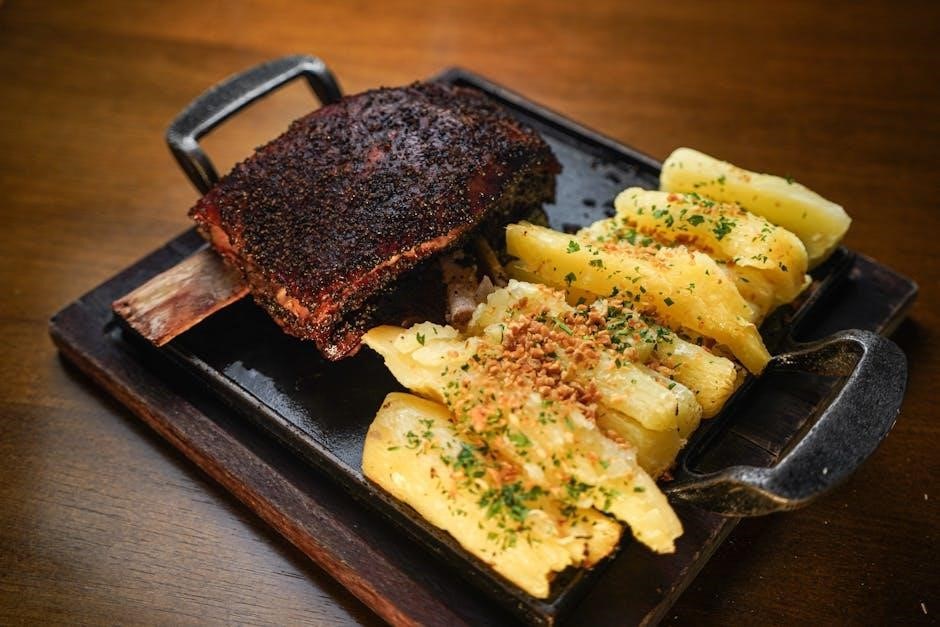
Serving and Finishing Touches
Proper carving‚ flavorful sauces‚ and complementary sides elevate the precooked prime rib experience‚ transforming a simple reheat into a truly memorable culinary event.
Carving Precooked Prime Rib
Successfully carving a precooked prime rib requires a sharp carving knife and a little technique to ensure beautiful‚ tender slices. Begin by locating the grain of the meat – this is crucial for preventing tough cuts. Always carve against the grain‚ meaning perpendicular to the direction the muscle fibers run;
Start by separating the rib bones from the roast. You can do this by running your knife between the bones and the meat. Once the bones are removed‚ you can begin slicing. Aim for slices approximately ¼ to ½ inch thick. Consistent thickness ensures even cooking and a more appealing presentation.
For the first few slices‚ make a clean cut to establish a flat surface. Then‚ continue slicing downwards‚ maintaining that consistent thickness. If you’re serving au jus‚ consider carving the slices slightly thicker‚ as they may lose some moisture when dipped. Remember to carve across the entire roast‚ utilizing all the flavorful meat!
Recommended Sauces and Sides
Elevating your precooked prime rib experience hinges on complementary sauces and sides that enhance its rich flavor. Classic horseradish sauce is a perennial favorite‚ providing a zesty counterpoint to the beef’s savory notes. A red wine reduction‚ or a creamy béarnaise sauce‚ also offer sophisticated pairings.
Regarding sides‚ roasted garlic mashed potatoes are a comforting and classic choice. Yorkshire pudding‚ if you’re feeling ambitious‚ is a traditional accompaniment that soaks up the delicious juices. For a touch of freshness‚ consider roasted asparagus or Brussels sprouts with balsamic glaze.
Don’t underestimate the power of a simple green salad with a light vinaigrette to cut through the richness. Creamed spinach or scalloped potatoes also provide delightful textural and flavor contrasts. Ultimately‚ the best sides are those that you and your guests enjoy most!
Maximizing Flavor and Tenderness
Achieving peak flavor and tenderness with precooked prime rib relies on careful reheating and finishing techniques. A crucial step is allowing the meat to rest adequately after reheating – approximately 10-15 minutes – enabling the juices to redistribute throughout the cut. This prevents dryness and ensures a more succulent bite.
Consider a flavorful dry rub or marinade applied before reheating‚ even a simple blend of herbs and spices can significantly boost the taste. Basting with pan juices during the final stages of reheating adds moisture and richness.
Remember‚ gentle reheating is key; avoid excessively high temperatures that can toughen the meat. Slicing against the grain is paramount for tenderness‚ breaking down the muscle fibers for a more enjoyable eating experience.
Troubleshooting Common Issues
Even with careful reheating‚ issues can arise. If your precooked prime rib is tough‚ it likely indicates overcooking during the reheating process. Lower the oven temperature or shorten the reheating time in future attempts. Ensure you’re using a reliable meat thermometer to monitor internal temperature accurately‚ as highlighted on r/AskCulinary.
Dryness is another common concern. This often stems from insufficient moisture retention. Basting with pan juices or a beef broth during reheating can help. Also‚ ensure the roasting pan is adequately covered to trap steam.
If the prime rib lacks flavor‚ consider a more robust seasoning blend before reheating or a flavorful sauce for serving. Remember‚ precooked options may require extra seasoning to compensate for initial processing.
Prime Rib is Tough
A tough precooked prime rib usually signals overcooking during the reheating phase. The muscle fibers have tightened‚ resulting in a less tender texture. Remember‚ precooked prime rib is already partially cooked‚ so it requires gentler reheating than a raw roast.
Avoid high oven temperatures and prolonged reheating times. Utilize a reliable meat thermometer – as recommended on r/AskCulinary – to prevent exceeding your desired internal temperature. Even a few degrees over can significantly impact tenderness.

Consider a water bath or covering the roast tightly with foil during reheating to retain moisture. If toughness persists‚ thinly slicing against the grain can help mitigate the issue‚ making each bite more manageable.
Prime Rib is Dry
A dry precooked prime rib often results from insufficient moisture retention during reheating. Because it’s already been cooked‚ it’s more susceptible to drying out than a raw roast. Combat this by employing techniques that lock in existing juices.
Wrapping the prime rib tightly in plastic wrap‚ then aluminum foil‚ before reheating is crucial. Adding a small amount of beef broth or au jus to the pan can also create a steamy environment. Remember the advice from online culinary communities: consistent temperature monitoring is key.
Avoid prolonged exposure to dry heat. If dryness occurs‚ consider serving with a flavorful sauce‚ like horseradish cream or a rich gravy‚ to add back moisture and enhance the overall experience. Resting the roast properly after reheating is also vital for juice redistribution.