Lochinvar Troubleshooting Guide: A Comprehensive Overview
Lochinvar systems utilize error codes – Lockout, Blocking, and Notification – to pinpoint issues, requiring user resets or professional service․
Understanding these
codes, like E00 or E12, is crucial for efficient diagnosis and repair, ensuring optimal performance and longevity of your heating system․
Understanding Lochinvar Error Codes
Lochinvar heating systems employ a sophisticated error code system to communicate internal diagnostics, streamlining the troubleshooting process for both homeowners and qualified technicians․ These codes aren’t random; they are specifically designed indicators of potential problems within the unit, categorized into three primary types: Lockout, Blocking, and Notification codes․
Lockout codes, such as E00 (Invalid Lockout) and E01 (Memory Lockout), generally signify a critical failure requiring immediate attention and often a user reset or service engineer intervention․ Blocking codes, on the other hand, indicate issues that prevent the system from operating, but may not be as immediately critical, allowing for a more measured response․ Finally, Notification codes serve as routine alerts, often related to maintenance reminders or minor operational observations․
The user interface screen displays these codes, providing valuable information for diagnosis․ Recognizing the type of code – Lockout, Blocking, or Notification – is the first step in effective troubleshooting․ Each code points to a specific component or system malfunction, enabling targeted repairs and minimizing downtime․
Lockout Codes: Definition and Reset Procedures
Lockout codes on a Lochinvar system represent critical failures demanding immediate attention․ These codes signal a condition where the unit has shut down to prevent damage or ensure safety․ Common examples include E00 (Invalid Lockout) and E01 (Memory Lockout), indicating potentially serious internal issues․ A lockout requires intervention, either a user reset or a call to a qualified service engineer․
Resetting a lockout code often involves powering off the unit completely – both the gas and electrical supply – for a specified period, typically several minutes․ This allows the system to clear its memory and attempt a restart․ However, simply resetting the code doesn’t address the underlying problem; it merely allows the unit to attempt operation again․
If the lockout code reappears immediately after a reset, it signifies a persistent fault requiring professional diagnosis․ Ignoring repeated lockout codes can lead to further damage and potentially unsafe operating conditions․ Always consult the Lochinvar manual for specific reset procedures for your model and understand the implications of repeated lockouts․
Blocking Codes: Identifying and Addressing Issues
Blocking codes on a Lochinvar system indicate a problem that prevents the unit from operating normally, but isn’t as severe as a lockout․ These codes signal conditions that require investigation and correction before the system can resume efficient operation․ Unlike lockouts, blocking codes don’t necessarily shut down the unit immediately, but they prevent it from reaching optimal performance․
Identifying the specific blocking code is the first step․ These codes often point to issues like a flow switch fault (E04) or a fan speed fault (E02)․ A flow switch fault suggests a problem with water circulation, potentially due to low water pressure or a blocked pipe․ A fan speed fault indicates an issue with the blower motor or its control system․
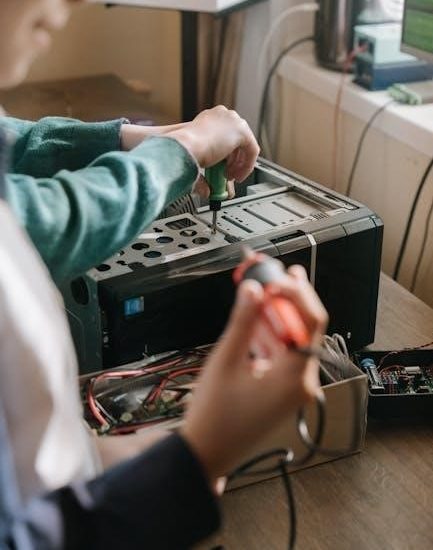
Addressing blocking codes typically involves inspecting the related components, checking for obstructions, and verifying proper functionality․ Simple fixes might include clearing debris or tightening connections․ However, more complex issues may require component replacement or professional servicing․ Ignoring blocking codes can lead to reduced efficiency and eventual system failure․
Notification Codes: Routine Alerts and Maintenance
Notification codes on a Lochinvar system are designed to alert users to conditions that require attention, but don’t immediately halt operation․ These codes aren’t indicative of critical failures, but rather serve as reminders for routine maintenance or potential issues that could develop into larger problems if ignored․ They provide valuable insight into the system’s health and allow for proactive upkeep․
These alerts often relate to parameters like water quality or filter status․ While not requiring immediate shutdown, addressing these notifications is crucial for maintaining optimal efficiency and extending the lifespan of the unit․ Regular monitoring of these codes allows homeowners and technicians to stay ahead of potential issues․
Responding to notification codes might involve tasks like flushing the system, cleaning components, or scheduling a preventative maintenance check․ Ignoring these alerts can lead to decreased performance, increased energy consumption, and ultimately, more costly repairs down the line․ Proactive maintenance, guided by these codes, is key․
Common Lochinvar Error Codes & Solutions
Lochinvar error codes, such as E00, E01, E02, E04, and E05, signal specific faults․ Identifying these codes is the first step towards diagnosing and resolving system issues efficiently․
E00: Invalid Lockout Error ⎼ Causes and Fixes
The E00 error code on a Lochinvar unit signifies an “Invalid Lockout Error․” This indicates the control board registered a lockout situation, but the specific reason isn’t clearly defined․ Several factors can contribute to this issue․ A primary cause is often a momentary power interruption or voltage fluctuation, triggering a false lockout․
To troubleshoot E00, begin by verifying stable power supply to the unit․ Check for loose wiring connections at the control board and ensure proper grounding․ A faulty flame sensor can also generate this error, as it may intermittently signal a flame failure․ Inspect and clean, or replace the flame sensor if necessary․
Resetting the unit is the initial step; however, if the E00 code persists, it suggests an underlying problem․ A failing gas valve or issues with the ignition system could be responsible․ Consulting a qualified service technician is recommended for a thorough diagnosis and repair, as further investigation may involve testing the gas pressure and ignition components․
E01: Memory Lockout Error ⎼ Troubleshooting Steps
The Lochinvar E01 error code signifies a “Memory Lockout Error,” indicating a problem with the unit’s internal memory or control board․ This often arises from repeated unsuccessful ignition attempts, causing the system to lock itself down to prevent potential hazards․ A power surge or electrical interference can also corrupt the memory, triggering this error․
Initial troubleshooting involves a complete power cycle – disconnecting power to the unit for several minutes, then restoring it․ This can sometimes clear the memory and reset the system․ If the E01 code reappears, carefully inspect the control board for any visible signs of damage, such as burnt components or corrosion․
Due to the complexity of memory-related issues, replacing the control board is often the most effective solution․ Before replacement, verify the correct board model number for compatibility․ If you are uncomfortable working with electrical components, it’s crucial to contact a qualified Lochinvar technician for assistance and proper diagnosis․
E02: Fan Speed Fault ⎼ Diagnosis and Repair
The Lochinvar E02 error code indicates a “Fan Speed Fault,” meaning the system isn’t detecting the correct fan operation․ This could stem from a malfunctioning fan motor, a faulty fan control module, or wiring issues․ Begin by visually inspecting the fan for obstructions – debris, ice buildup, or physical damage – that might impede its rotation․
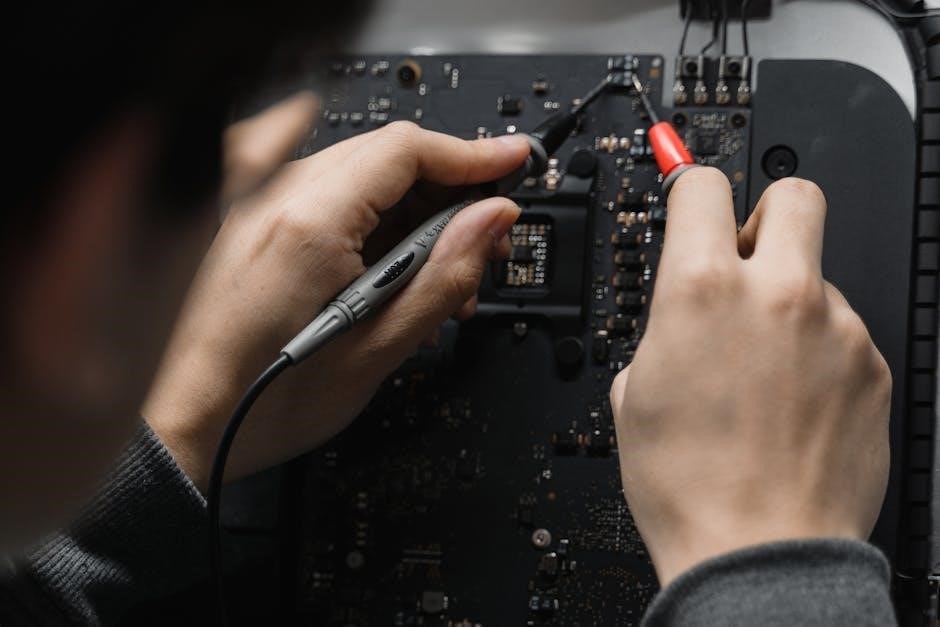
Next, check the fan motor’s wiring connections, ensuring they are secure and free from corrosion․ Use a multimeter to verify the voltage reaching the motor is within the specified range․ If the voltage is correct but the fan isn’t running, the motor itself is likely defective and requires replacement․
If the fan operates but at an incorrect speed, the fan control module may be faulty․ Replacement of this module is often necessary․ Always consult the Lochinvar service manual for specific wiring diagrams and component specifications before attempting any repairs․ A qualified technician should handle complex electrical work․
E04: Flow Switch Fault ― Identifying the Problem
A Lochinvar E04 error code signals a “Flow Switch Fault,” indicating the system isn’t detecting adequate water flow․ This crucial safety feature prevents the boiler from operating without sufficient coolant, potentially causing overheating․ Initial troubleshooting involves verifying adequate water pressure entering the unit; low pressure is a common culprit․
Inspect the flow switch itself for physical damage or obstructions․ Debris within the flow switch can prevent the paddle from moving freely, falsely indicating a lack of flow․ Carefully clean the switch, ensuring the paddle rotates without resistance․ Check the wiring connections to the flow switch, looking for loose connections or corrosion․
If the wiring and switch appear sound, the flow switch may be defective and require replacement․ A multimeter can be used to test the switch’s continuity․ Remember to consult the Lochinvar service manual for specific testing procedures and component specifications․ A qualified technician is recommended for complex repairs․
E05: Specific Error ― Detailed Explanation
The Lochinvar E05 error code is a somewhat generic designation, requiring further investigation to pinpoint the exact issue․ Unlike more specific codes, E05 often indicates a broader system malfunction, demanding a systematic approach to diagnosis․ It frequently relates to ignition or combustion problems, but can also signal sensor failures․
Begin by checking the flame sensor; a dirty or faulty sensor can prevent proper flame detection, triggering the E05 code․ Inspect the gas valve for proper operation and gas supply․ Verify the integrity of the vent system, ensuring it’s unobstructed and properly sealed․ A blocked vent can lead to incomplete combustion and error codes․
Review recent service history for any related issues․ Consult the specific Lochinvar model’s technical documentation for a detailed breakdown of potential causes associated with E05․ Due to its ambiguity, professional diagnosis by a qualified HVAC technician is often recommended for accurate resolution․
E12: Error Code ― Troubleshooting Guide
The Lochinvar E12 error code typically signifies a communication failure between the control board and the display panel, or a problem with the display itself․ This can manifest as a blank screen, garbled characters, or an inability to interact with the system’s controls․ Initial troubleshooting should involve a simple power cycle – turning the unit off and on again;
Inspect the wiring connections between the control board and the display panel, ensuring they are secure and free from corrosion․ Check the voltage supply to the display panel to confirm it’s receiving adequate power․ If the problem persists, the display panel itself may be faulty and require replacement․
Consult the Lochinvar service manual for specific wiring diagrams and voltage specifications․ A qualified technician should perform more advanced diagnostics, including testing the control board’s communication outputs․ Remember to document all steps taken during troubleshooting for future reference․

System-Specific Troubleshooting
Lochinvar boilers, like the KHB SERIES 100 and EcoShield SHW35-245CE, require tailored troubleshooting approaches due to unique components and error interpretations for optimal repair․
KHB SERIES 100 Boiler: Flame Error Code Investigation

A flame error code on a Lochinvar KHB SERIES 100 boiler indicates the system isn’t detecting a stable flame during operation․ Initial investigation should confirm adequate gas supply to the unit, verifying the gas valve is fully open and there are no obstructions in the gas line․ As noted in online discussions, replacing the gas valve and spark plug are common first steps, but don’t always resolve the issue․
Next, carefully inspect the intake and exhaust vents for any restrictions – debris, snow, or even bird nests can impede proper airflow, leading to flame instability․ A concerning symptom reported involves noise emanating from the fan and venturi housing, suggesting a potential issue within these components․ Thoroughly examine the fan for damage or obstructions and check the venturi for proper gas-air mixture․
Furthermore, ensure proper ignition sequence by observing the spark and flame visually․ If the spark is weak or inconsistent, further investigation of the ignition module may be necessary․ Remember to consult the Lochinvar service manual for specific diagnostic procedures and safety precautions related to the KHB SERIES 100 boiler․
EcoShield SHW35-245CE: Error Code Interpretation
The Lochinvar EcoShield SHW35-245CE water heater utilizes a user interface screen to display error codes, categorized as Lockout, Blocking, or Notification types․ These codes are vital for diagnosing operational issues․ Lockout codes, as highlighted in installation manuals, often necessitate a user reset, but may also require a qualified service engineer’s intervention for complex problems․
Blocking codes typically indicate a condition preventing the unit from operating, demanding immediate attention to restore functionality․ Notification codes, conversely, are generally routine alerts signaling maintenance needs or minor operational variances․ Understanding the specific code displayed is paramount; referencing the official Lochinvar documentation (like ManualsLib resources) is crucial for accurate interpretation․
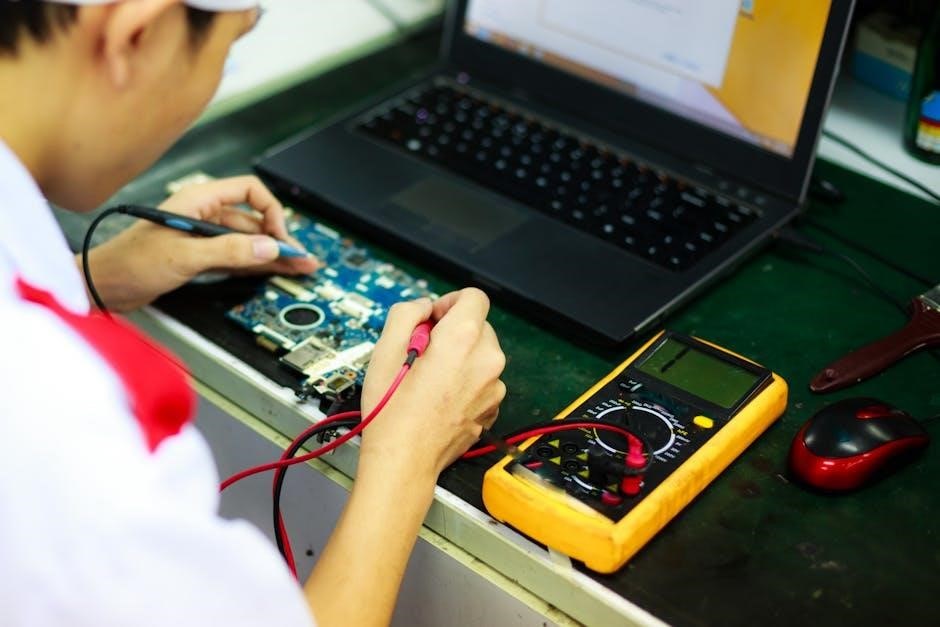
Common issues triggering error codes include low water pressure, sensor malfunctions, or thermostat irregularities․ Always prioritize safety and disconnect power before attempting any repairs․ A systematic approach, guided by the error code and the service manual, will facilitate efficient troubleshooting and minimize downtime for your EcoShield unit․

General Troubleshooting Tips
Lochinvar troubleshooting often involves checking for low water pressure, diagnosing sensor faults requiring replacement, and verifying proper thermostat function through calibration and inspection․
Low Water Pressure Issues and Solutions
Low water pressure is a frequently encountered issue in Lochinvar systems, often triggering error codes and impacting heating performance․ Several factors can contribute to this problem․ First, verify the municipal water supply pressure; it should ideally be within the manufacturer’s recommended range․ Check for closed or partially closed valves on the water supply line leading to the unit․
Sediment buildup in the water inlet filter is another common cause․ Regularly cleaning or replacing this filter is essential preventative maintenance․ Inspect the pressure reducing valve (PRV), if installed, to ensure it’s functioning correctly and hasn’t failed․ A faulty PRV can restrict water flow even with adequate incoming pressure․
Furthermore, consider potential leaks within the plumbing system, which can reduce overall pressure․ Finally, if the issue persists, a failing water pump (in systems equipped with one) should be investigated․ Addressing low water pressure promptly prevents further damage and ensures efficient operation of your Lochinvar unit․
Sensor Faults: Diagnosis and Replacement
Lochinvar systems rely on various sensors to monitor critical parameters like temperature and flow․ When a sensor malfunctions, it can generate error codes and disrupt system operation․ Diagnosing sensor faults often involves using a multimeter to check for continuity and proper voltage readings․ Compare the sensor’s output to the values specified in the technical documentation․
Commonly affected sensors include temperature sensors, flow sensors, and flame sensors․ A faulty flame sensor, for example, can cause intermittent flame dropouts or a complete loss of ignition․ Before replacing a sensor, carefully inspect the wiring and connectors for corrosion or damage․ Ensure proper grounding and secure connections․
When replacing a sensor, always use a genuine Lochinvar replacement part to guarantee compatibility and performance․ Follow the manufacturer’s instructions for installation and calibration․ Incorrectly installed or calibrated sensors can lead to inaccurate readings and continued system issues․
Thermostat Problems: Checking and Calibration
Lochinvar heating systems depend on accurate thermostat operation for efficient temperature control․ If your system isn’t responding to thermostat adjustments, begin by checking the thermostat’s power supply – replace batteries if necessary․ Verify the thermostat is set to the correct mode (heat, cool, or auto) and that the setpoint temperature is appropriate․
A common issue is incorrect thermostat programming or a loose wiring connection․ Inspect the wiring at the thermostat and the control board, ensuring all connections are secure․ If the thermostat is digital, check for error messages displayed on the screen․
Calibration may be required if the thermostat consistently reports inaccurate temperatures․ Refer to your thermostat’s manual for specific calibration instructions․ Some thermostats have automatic calibration features, while others require manual adjustment․ If problems persist, consider replacing the thermostat with a compatible Lochinvar-approved model․