

Trash Compactor Manual: A Comprehensive Guide
This manual details operation‚ safety‚ troubleshooting‚ and maintenance for your trash compactor‚ ensuring efficient waste management and prolonged appliance lifespan.
Understanding Your Trash Compactor
Trash compactors significantly reduce garbage volume‚ minimizing disposal frequency and costs. These appliances utilize powerful hydraulic systems to compress waste‚ creating denser‚ manageable packages. Familiarizing yourself with your compactor’s components – ram‚ chamber‚ motor‚ and control panel – is crucial for safe and effective operation.
Different models offer varying capacities and features‚ impacting their suitability for household or commercial use. Understanding these distinctions ensures you select and utilize the appropriate settings for optimal performance and longevity.
Types of Trash Compactors
Trash compactors broadly fall into two categories: residential and commercial. Residential units are typically smaller‚ designed for household waste‚ and often integrated into kitchen cabinetry. Commercial compactors are larger‚ more robust‚ and handle significantly higher volumes of trash‚ frequently found in businesses and industrial settings.
Further distinctions exist based on operation – manual‚ electric‚ and hydraulic. Electric and hydraulic models offer automated compaction‚ while manual units require physical force. Choosing the right type depends on waste volume and desired convenience.
Safety Precautions
Prioritize safety when operating your trash compactor. Always disconnect power before maintenance or cleaning. Never operate with a damaged power cord or if the unit malfunctions. Keep hands and objects clear of the compaction chamber during operation to prevent serious injury.
Supervise children and pets closely when the compactor is in use. Do not attempt to repair the unit yourself; contact a qualified technician for assistance. Adhering to these precautions ensures safe and reliable operation.
General Safety Rules
Always read the entire manual before operating the trash compactor. Ensure the unit is on a level surface and properly grounded. Never overload the compactor beyond its capacity. Do not compact flammable or hazardous materials. Keep the area around the compactor clear of obstructions.
Avoid wearing loose clothing or jewelry that could get caught in the mechanism. Never attempt to bypass safety features. Regular inspection for damage is crucial for safe operation.
Electrical Safety
Ensure the compactor is properly grounded to prevent electric shock. Never operate with a damaged cord or plug; replace immediately. Avoid using extension cords‚ but if necessary‚ use a heavy-duty one rated for the appliance’s amperage.
Do not expose electrical components to water or moisture. Always unplug the compactor before cleaning or performing maintenance. If the unit experiences an electrical malfunction‚ disconnect power and contact a qualified technician.
Compactor Components & Their Functions
Your trash compactor consists of several key parts working in unison. The ram‚ powered by a motor and hydraulic system‚ compresses waste within the compaction chamber. A control panel allows users to initiate cycles and manage settings.
Essential components include the hydraulic fluid reservoir‚ filters‚ and safety interlocks. Understanding each part’s role is crucial for safe operation and effective maintenance‚ extending the compactor’s lifespan.
Ram & Compaction Chamber
The ram is the primary compression element‚ a powerful piston driven by the hydraulic system. It forcefully pushes trash into the compaction chamber‚ significantly reducing volume. The chamber itself is a reinforced container designed to withstand immense pressure during the compaction process.
Regular inspection of both the ram and chamber is vital for identifying wear or damage‚ ensuring continued efficient and safe operation of your trash compactor.
Motor & Hydraulic System
The electric motor provides the power to drive the hydraulic pump‚ which in turn generates the pressure needed for ram operation. Hydraulic fluid transmits this force‚ enabling the compactor to crush waste effectively.
Maintaining proper hydraulic fluid levels and checking for leaks are crucial for optimal performance. A well-maintained system ensures consistent compaction force and prevents potential damage.
Control Panel Overview
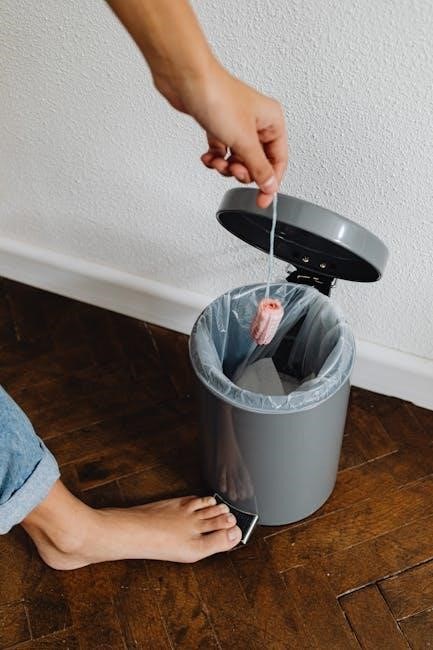
The control panel houses the essential buttons for operating your trash compactor. Typically‚ you’ll find a power switch‚ a start/stop button for the compaction cycle‚ and potentially settings for cycle duration or automatic features. Indicator lights display the compactor’s status‚
such as power on‚ compaction in progress‚ or error alerts. Familiarize yourself with each control to ensure safe and efficient operation.
Operating Instructions
Before operation‚ ensure the compactor is plugged into a grounded outlet and the bag is securely installed. Load trash loosely into the compaction chamber‚ avoiding overfilling. Initiate the compaction cycle by pressing the start button; the ram will compress the waste.
Never attempt to open the compactor during operation. Once complete‚ the compactor is ready for another load or unloading.
Loading the Compactor
Ensure the compactor is off before loading. Open the compactor lid and distribute trash evenly within the compaction chamber‚ avoiding overloading. Load loosely; do not pack or force materials in. Break down cardboard boxes to maximize space.
Avoid placing liquids or excessively wet items directly into the compactor‚ as this can cause issues. Do not include prohibited items like glass or metal.
Compaction Cycle Initiation
Close and securely latch the compactor lid. Select the desired compaction setting‚ if available‚ based on the type of waste. Press and hold the start button until the compaction cycle begins – a humming sound indicates operation.
Do not open the lid during operation. The cycle will automatically stop when complete. Release the start button once finished; never interrupt mid-cycle.
Unloading the Compacted Trash

Ensure the compactor is switched off and unplugged for safety. Open the compactor lid and carefully remove the full trash bag‚ using the handles. Avoid direct contact with the compacted waste‚ as it may contain sharp objects.
Tie the bag securely before disposal‚ following local regulations. Insert a new bag‚ ensuring it’s properly positioned within the compaction chamber before resuming operation.
Troubleshooting Common Issues
Encountering problems? This section addresses frequent issues. If the compactor won’t start‚ check the power supply and reset button. A stuck ram may indicate an overload; avoid forcing it. Hydraulic leaks require immediate attention – discontinue use and consult a qualified technician.
Always prioritize safety when diagnosing problems. Refer to the detailed solutions within this manual before seeking professional repair.
Compactor Won’t Start
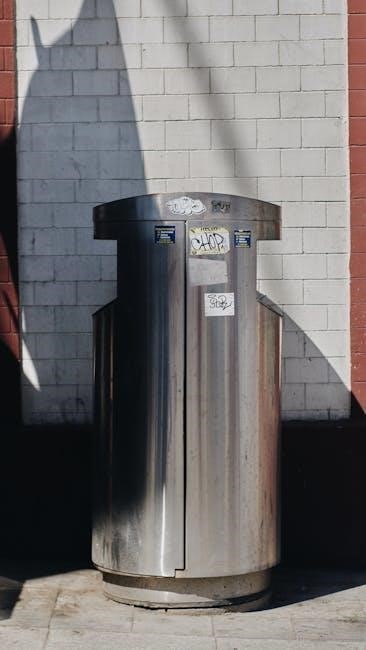
If your compactor fails to power on‚ first verify the unit is properly plugged into a functioning electrical outlet. Check the circuit breaker or fuse box for tripped breakers or blown fuses. Locate and reset the compactor’s reset button‚ often found near the power switch.
If issues persist‚ inspect the power cord for damage. Do not attempt repairs yourself; contact a qualified technician.
Ram is Stuck
A stuck ram typically indicates an obstruction within the compaction chamber. Immediately disconnect power to prevent accidental operation. Do not attempt to force the ram; this could cause damage. Carefully remove the compactor bag and inspect for oversized or improperly loaded items.
If the obstruction isn’t visible‚ consult a qualified technician for assistance.
Leaks in the Hydraulic System
Hydraulic leaks pose a serious safety hazard and reduce compaction force. Immediately disconnect power and do not operate the compactor. Inspect hoses‚ fittings‚ and the pump for visible leaks – look for fluid accumulation. Small leaks may require tightening connections‚ but larger leaks necessitate professional repair.
Never attempt to repair hydraulic components yourself without proper training.
Maintenance & Cleaning
Regular maintenance extends your compactor’s life and ensures optimal performance. Frequent cleaning prevents odor buildup and sanitation issues. Wipe down the interior with disinfectant after each bag change. Check and replace filters as needed‚ and periodically inspect hydraulic fluid levels.
Adhering to a preventative schedule minimizes repairs and maximizes efficiency.
Regular Cleaning Procedures
After each bag removal‚ thoroughly clean the compaction chamber with a disinfectant spray or wipes to eliminate odors and prevent bacterial growth. Pay close attention to the ram’s surface‚ removing any stuck-on debris. Wipe down the exterior surfaces with a damp cloth.
Ensure the compactor is unplugged during cleaning for safety. Regular upkeep maintains hygiene.
Hydraulic Fluid Checks & Replacements
Regularly inspect the hydraulic fluid reservoir for proper levels‚ typically indicated by a marked range. Low fluid can cause reduced compaction force and operational issues. If the fluid appears cloudy or contaminated‚ it requires replacement.
Consult your compactor’s specifications for the correct fluid type. Always dispose of used fluid responsibly at a designated recycling center.
Filter Replacement
The hydraulic filter prevents contaminants from damaging the system. Replace it according to the maintenance schedule‚ or if you notice reduced compaction power. A clogged filter restricts fluid flow‚ impacting performance.
Locate the filter (refer to your compactor’s diagram) and carefully remove the old one‚ noting the orientation. Install the new filter‚ ensuring a tight seal to prevent leaks.

Repairing Minor Issues
Addressing small problems promptly can prevent larger‚ more costly repairs. Replacing the bag is straightforward – ensure it’s properly seated and secured. Tightening loose bolts‚ found around the compactor’s frame and components‚ restores stability and reduces vibrations.
Always disconnect power before attempting any repairs. If unsure‚ consult a qualified technician; do not attempt complex fixes yourself.
Replacing the Bag
Begin by disconnecting the power to the compactor. Carefully remove the full bag‚ noting how it’s secured to the frame. Select a compatible bag – check your manual for size and strength specifications. Position the new bag‚ ensuring it’s fully open and covers the compaction chamber.
Secure the bag tightly to prevent leaks and maintain proper compaction.
Tightening Loose Bolts
Always disconnect power before inspection. Regularly check all bolts and fasteners on the exterior and‚ if accessible‚ within the compactor’s housing. Use the correct size wrench or screwdriver to avoid stripping the bolt heads. Tighten any loose bolts firmly‚ but avoid over-tightening‚ which could damage threads.
Pay close attention to bolts near the ram and hydraulic system.
Advanced Troubleshooting
For complex issues‚ a qualified technician is recommended. Identifying hydraulic leaks requires careful inspection of hoses‚ connections‚ and the pump. Motor overload protection systems may trip due to excessive use or blockage. Check the reset button if equipped‚ and ensure proper ventilation.
Persistent problems may indicate internal component failure requiring professional repair.
Identifying Hydraulic Leaks

Begin by visually inspecting all hydraulic hoses‚ fittings‚ and the pump for any signs of fluid accumulation. Look for wet spots or drips around connections. A low hydraulic fluid level is a key indicator. Carefully examine the ram cylinder for leaks during operation. Use a flashlight to pinpoint small leaks in hard-to-reach areas.
Address leaks promptly to prevent further damage.
Motor Overload Protection
Your compactor features motor overload protection‚ designed to prevent damage from excessive strain. If the motor overheats‚ this system automatically shuts it off. Allow the motor to cool down completely – typically 30-60 minutes – before attempting restart. Avoid overfilling the compaction chamber‚ as this causes excessive load. Ensure proper ventilation around the compactor.
Repeated overloads indicate a problem; seek service.
Understanding Compactor Bags
Compactor bags are specifically designed to withstand the immense pressure generated during operation. Selecting the correct bag is crucial; using standard trash bags will result in failure. Bags vary in material and strength‚ with options like polyethylene and reinforced options available. Consider bag size‚ ensuring compatibility with your compactor model. Always check for tears or punctures before installation.
Proper bag usage extends compactor life.
Bag Materials & Strength
Compactor bags are primarily made of polyethylene‚ but strength varies significantly. Standard polyethylene bags are suitable for lighter loads‚ while heavy-duty or reinforced bags‚ often with multiple layers‚ are essential for maximum compaction. Look for bags specifically labeled for trash compactors‚ indicating superior tear resistance. Bag thickness‚ measured in mils‚ directly correlates to strength; higher mils offer greater durability. Consider the type of waste when selecting a bag.
Bag Sizes & Compatibility
Trash compactor bags come in various sizes‚ typically ranging from 30 to 55 gallons. Compatibility is crucial; using the wrong size can lead to improper sealing or bag rupture. Refer to your compactor’s manual for recommended bag dimensions. Incorrectly sized bags may obstruct the ram’s movement or fail to contain the compacted waste. Always ensure a snug fit around the compaction chamber to prevent leaks and maintain efficient operation.
Extending the Life of Your Compactor

To maximize your compactor’s lifespan‚ adopt proper usage habits. Avoid overfilling‚ which strains the motor and hydraulic system. Regularly check for and remove any non-compactable items. Implement a preventative maintenance schedule‚ including cleaning and fluid checks. Promptly address any unusual noises or performance issues. Consistent care prevents costly repairs and ensures years of reliable waste reduction‚ saving space and effort.
Proper Usage Habits
Optimal compactor use involves avoiding overloading‚ which stresses the system. Only compact appropriate materials – no metal‚ glass‚ or large items. Ensure the bag is correctly installed and not punctured. Never force materials into the chamber. Regularly inspect for obstructions. Follow weight limits to prevent motor strain. Consistent‚ mindful operation extends the compactor’s life and maintains peak performance‚ ensuring efficient waste management.
Preventative Maintenance Schedule
Establish a routine: monthly cleaning of the compaction chamber prevents odors and buildup. Quarterly‚ check and replace the air filter‚ ensuring optimal motor function. Annually‚ inspect hydraulic lines for leaks and replace hydraulic fluid. Regularly tighten bolts and lubricate moving parts. Consistent adherence to this schedule minimizes breakdowns‚ extends compactor life‚ and maintains efficient waste disposal‚ saving on potential repair costs.
Dealing with Unusual Noises
Unusual sounds during operation signal potential issues. Grinding noises may indicate foreign objects in the chamber; immediately stop and inspect. Whining sounds could point to a failing motor or low hydraulic fluid. Clicking sounds might suggest a problem with the ram’s movement. Investigate promptly; ignoring noises can lead to more significant‚ costly repairs. Consult the troubleshooting section for specific guidance.

Identifying the Source of the Noise
Pinpointing the noise’s origin is crucial for effective troubleshooting. Listen carefully during each stage – loading‚ compaction‚ and unloading. Is the sound coming from the motor‚ the hydraulic pump‚ or within the compaction chamber itself? A systematic approach helps isolate the problem. Note when the noise occurs; this provides valuable clues. Safety first – disconnect power before inspecting internal components.
Possible Causes & Solutions
Grinding sounds often indicate foreign objects within the chamber – remove them immediately. Whining noises may signal a failing motor or low hydraulic fluid. Clicking sounds could stem from a relay issue. Check for loose bolts and tighten them. If the noise persists‚ consult a qualified technician. Never attempt repairs beyond your skill level; safety is paramount. Regular maintenance prevents many noise-related issues.
Compactor Dimensions & Capacity
Trash compactor sizes vary‚ ranging from compact under-sink models to larger freestanding units. Typical widths are between 15-24 inches‚ with depths of 20-25 inches. Height depends on the model‚ often 34-36 inches. Capacity is measured in cubic feet; most home units hold 1.5-2 cubic feet of uncompacted waste. Always check the manufacturer’s specifications for precise dimensions and maximum load limits.
Typical Compactor Sizes
Residential trash compactors generally fall into three main size categories. Under-sink models are the smallest‚ fitting within standard kitchen cabinetry – around 15 inches wide. Built-in models‚ designed for dedicated spaces‚ are typically 24 inches wide. Freestanding units offer the largest capacity‚ often exceeding 24 inches in width. Height usually ranges from 34 to 36 inches across all types‚ providing convenient operation;
Maximum Load Capacity
Trash compactor capacity is measured in bushels‚ indicating the volume of uncompacted waste it can hold. Residential models typically range from 5 to 10 bushels. Commercial units boast significantly higher capacities‚ often exceeding 20 bushels. Overloading can strain the motor and hydraulic system‚ leading to damage. Always adhere to the manufacturer’s specified maximum load to ensure safe and efficient operation‚ preventing potential malfunctions.
Warranty Information
Your trash compactor is protected by a limited warranty covering manufacturing defects in materials and workmanship. Coverage duration varies; typically‚ the motor receives extended protection‚ while parts have a shorter term. Warranty exclusions include damage from misuse‚ improper installation‚ or lack of maintenance. To file a claim‚ retain proof of purchase and contact the manufacturer’s customer support for detailed procedures and authorized service centers.
Understanding Your Warranty Coverage
The warranty safeguards against defects under normal household use. It doesn’t cover issues arising from commercial applications‚ accidental damage‚ or unauthorized repairs. Specifically‚ the motor often has a longer warranty period than other components. Keep your receipt as proof of purchase date for claim eligibility. Review the full warranty document for specific terms‚ conditions‚ and limitations of coverage.
Claim Procedures
To initiate a warranty claim‚ first gather your proof of purchase and model number. Contact customer support via phone or the manufacturer’s website to obtain a claim form. Complete the form accurately and submit it along with supporting documentation‚ like photos of the defect. Expect a response within a specified timeframe‚ outlining the next steps‚ potentially including authorized repair services.
Disposal of Compacted Trash
Proper disposal of compacted trash requires adherence to local regulations. Check with your municipality regarding specific guidelines for refuse collection‚ including acceptable container types and weight limits. Consider environmental impact; some areas promote recycling even for compacted materials. Ensure bags are securely sealed to prevent leakage during transport. Follow all local ordinances to avoid penalties and promote responsible waste management practices.
Local Regulations & Guidelines
Understanding local waste disposal laws is crucial. Contact your city or county’s sanitation department to learn about specific rules regarding trash compaction. Regulations may cover bag weight limits‚ acceptable bag materials‚ and designated collection days. Some areas prohibit certain items from being compacted. Failing to comply can result in fines or rejected trash pickup. Always prioritize adherence to these guidelines for responsible waste management.
Environmental Considerations
Utilizing a trash compactor significantly reduces landfill volume‚ promoting sustainable waste management. Compacting minimizes the frequency of trash collection‚ lessening fuel consumption and emissions from waste transport vehicles. Properly compacted trash also reduces landfill gas production‚ a potent greenhouse gas. Consider recycling alongside compaction to maximize environmental benefits. Responsible disposal contributes to a healthier planet and conserves valuable resources for future generations.